
Search Results
158 results found with an empty search
- Unveiling the Latest Breakthroughs in Space Exploration: What Lies Ahead for Humanity
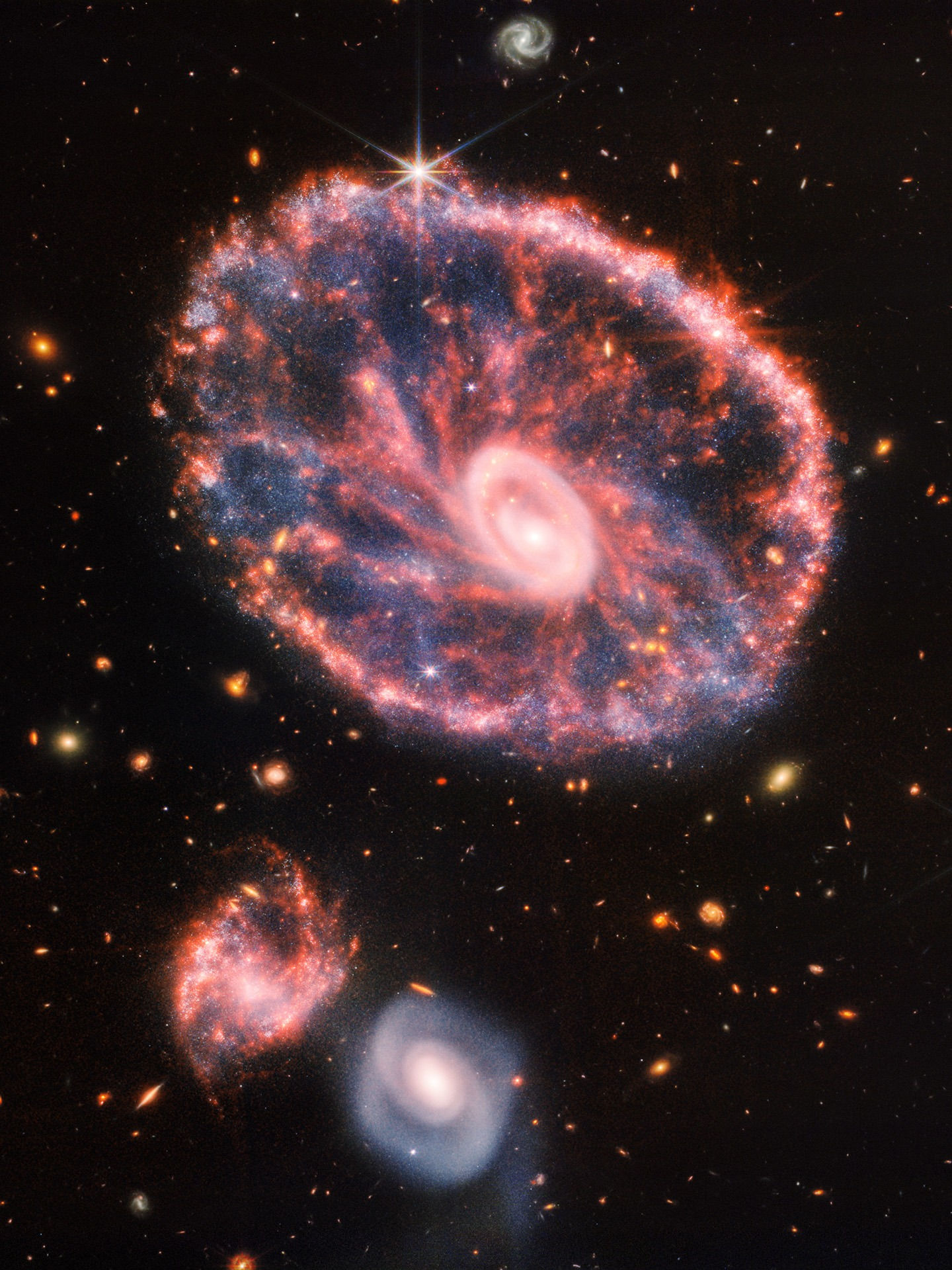
In recent years, space exploration has gained unprecedented attention and investment, ushering in an exciting era in our quest to understand the universe beyond Earth. Groundbreaking advancements in technology, international partnerships, and a growing interest in the possibility of extraterrestrial life have led to remarkable breakthroughs. These developments promise to fundamentally reshape humanity's relationship with space. Let’s explore the remarkable progress being made and what it means for the future of mankind. A massive rocket stands tall on the launch pad, prepared for its journey into space. The Dawn of a New Era The past decade has witnessed significant advancements in space technology. For instance, reusable rockets have transformed the economics of space travel, cutting launch costs by nearly 30%. Companies like SpaceX have pioneered this technology, enabling more frequent missions to low Earth orbit. In 2020 alone, SpaceX launched a record 26 missions, showcasing how private companies are reshaping space access. This shift lowers the costs of space exploration while expanding opportunities for science and commercial activities. Notable future possibilities include human colonization of Mars and asteroid mining, with the global market for space tourism projected to reach $1 trillion by 2040. The Mars rover navigates the rocky surface of Mars, sending valuable data back to Earth. The Race to Mars Since the Perseverance rover successfully landed on Mars in February 2021, interest in the Red Planet has surged. Perseverance is equipped with advanced instruments aimed at finding signs of ancient life, collecting samples for future return missions, and testing technology necessary for sustaining human life. The rover is currently exploring an area known as Jezero Crater, a site once home to a lake that existed over 3 billion years ago. NASA’s Artemis program aims to return humans to the Moon by 2025, serving as a crucial stepping stone for eventual Mars missions. The goal is to establish a permanent human presence on Mars by the late 2030s, with missions projected to involve numerous astronauts working together to develop sustainable living conditions. The Enigma of Exoplanets Mars may captivate many, but the search for exoplanets is equally vital. Thousands of exoplanets have been discovered, particularly in their stars' habitable zones, where conditions might allow for liquid water. For instance, the Kepler Space Telescope has identified over 2,600 confirmed exoplanets as of 2021, paving the way for future studies. Astrobiology, the search for life beyond Earth, has rapidly advanced. The James Webb Space Telescope, launched in December 2021, is set to transform our understanding of exoplanets by providing high-resolution observations. Scientists are particularly excited to study atmospheres of potentially habitable planets, looking for biosignatures that suggest the presence of life. A sophisticated space telescope captures images of distant galaxies and exoplanets in the universe. Advancements in Space Technology Technological innovations play a crucial role in enhancing space exploration. For example, ion propulsion technology allows spacecraft to operate with much greater efficiency compared to traditional chemical rockets, promising to cut travel times significantly. Developments in materials science, such as carbon fiber and advanced alloys, enable spacecraft to withstand the extreme conditions of space. Artificial intelligence (AI) is revolutionizing our approach to space missions. Rovers and satellites equipped with AI can analyze data in real-time, making decisions autonomously that enhance mission efficiency. This is particularly useful for missions to remote regions, where timely support from Earth may not be feasible. The Role of International Collaboration International collaboration is becoming essential in the context of space exploration. Former rivals like the U.S. and Russia are collaborating on projects such as the International Space Station (ISS). More nations are becoming involved in space activities, leading to partnerships aimed at sharing resources and knowledge. The Artemis Accords, an international agreement involving over 20 countries, seeks to create a framework for a safe and sustainable human presence on the Moon. This collaborative approach encourages the peaceful exploration of space while fostering advancements in scientific knowledge. Space Tourism: A New Frontier The commercial space sector has progressed remarkably, giving birth to the concept of space tourism. Companies such as Blue Origin, SpaceX, and Virgin Galactic are making strides in offering flights to tourists. For example, Blue Origin completed its first successful suborbital flight in July 2021, with the ticket prices estimated between $200,000 and $500,000. Though still developing, space tourism could fundamentally change public engagement with space. With more people traveling beyond Earth, we may inspire future generations to explore science and technology, deepening our collective appreciation for both our planet and the universe. The Search for Extraterrestrial Intelligence The pursuit of extraterrestrial life remains one of humanity's greatest challenges. Initiatives like the Search for Extraterrestrial Intelligence (SETI) are continuously scanning the skies for signals from advanced civilizations. The capability to process vast data from powerful telescopes is improving dramatically, refining our search strategies. Additionally, the moons of Jupiter and Saturn, like Europa and Enceladus, have sparked renewed curiosity. These icy worlds may have subsurface oceans capable of supporting microbial life, making them compelling targets for future exploration missions. The Future of Space Exploration Looking forward, the prospects for space exploration appear bright. Key missions, such as NASA's Artemis program, Mars Sample Return, and ongoing work at the ISS, will likely lead to significant discoveries. With improvements in AI, robotics, and machine learning, we are poised to collaborate more closely with technology in our quests. Exciting possibilities abound, from asteroid mining to the colonization of Mars. These advancements challenge us to reconsider our role as explorers and caretakers of the cosmos. A Glimpse into Tomorrow Recent breakthroughs in space exploration not only fuel our imaginations but also hold the potential to transform humanity's future. By fostering technological innovation and international cooperation, we are on the brink of discovering new worlds, understanding our place in the universe, and possibly finding life beyond Earth. As we navigate this incredible journey, striking a balance between exploration and responsible stewardship of space is vital. The universe is vast, and countless secrets await our discovery. The dream of exploring the stars is now within our sights, evolving from mere fantasy to tangible reality. As we continue pushing the frontiers of science and technology, we must ponder: What will we uncover next, and how will these revelations shape our destiny as a species? The horizon is bright, and the adventures that lie ahead are set to redefine humanity’s legacy in space exploration.
- Latest News in Space Exploration: Missions and Discoveries
Space exploration continues to advance at an incredible pace, with new missions and discoveries consistently reshaping our understanding of the universe. In this blog post, we'll analyze the most recent developments in space exploration, covering everything from Mars missions to the latest achievements in scientific research. Latest Space Exploration News One of the most exciting developments in the field of space exploration is the continued exploration of Mars.NASA's Perseverance rover, which landed on the Martian surface in February 2021, is now actively collecting samples that could provide insights into the planet's past. These samples are expected to be returned to Earth by the 2030s, opening up new possibilities for understanding Martian geology and the potential for past life. Mars rover Perseverance on its mission to explore the surface of Mars. The Perseverance rover is equipped with advanced scientific instruments designed to analyze soil and rock samples. This data may help scientists determine if life ever existed on Mars. In addition, the rover has been testing a technology to produce oxygen from the Martian atmosphere, paving the way for future human missions. One significant aspect of the ongoing efforts on Mars is the collaboration between international space agencies. For instance, the European Space Agency and the Russian space agency have partnered in a mission to bring samples back to Earth. This collaboration signifies the importance of sharing knowledge and resources in the quest for interplanetary exploration. Upcoming Missions to the Moon In addition to Mars exploration, the Moon remains a focal point for new missions. NASA's Artemis program aims to land the first woman and the next man on the Moon by 2025. This mission will not only establish a sustainable human presence on the lunar surface but also serve as a springboard for future missions to Mars. NASA's Artemis program aims to land astronauts on the Moon. The Artemis program consists of several phases. As part of Artemis I, NASA successfully tested the Space Launch System (SLS) rocket, which will carry Orion spacecraft around the Moon. Following this, Artemis II will involve crewed missions. Finally, Artemis III will focus on landing astronauts on the lunar surface. The importance of lunar exploration cannot be overstated. The Moon holds valuable resources for future space missions, such as water ice, which could be converted into fuel and drinking water. Moreover, studying the Moon's geology can help scientists understand the early solar system. What Will Happen in 2030 Space? As we look toward the year 2030, many exciting possibilities arise in space exploration. By then, we may see humans on Mars for the first time, thanks to the efforts of agencies like NASA and private companies. The establishment of a lunar base through the Artemis program will also be a significant achievement. Space tourism is another area that is expected to grow substantially. Companies like SpaceX and Blue Origin are already working on projects to make space travel accessible to the public. This may lead to a new era of exploration, where private individuals can venture beyond Earth. A futuristic vision of a space station in low Earth orbit. Additionally, advancements in technology may enable deeper explorations of our solar system. Europa, a moon of Jupiter, has been identified as a candidate for missions searching for extraterrestrial life. Its subsurface ocean presents a compelling opportunity for future studies. The Role of Private Companies The increasing involvement of private companies in space exploration is transforming the landscape. SpaceX, led by Elon Musk, has achieved remarkable milestones, including reusing rockets for multiple missions. Their Starship program aims to facilitate human colonization of Mars and more frequent space tourism. Another key player is Blue Origin, founded by Jeff Bezos. The company is focused on developing technology that can support long-term space habitation. Their New Glenn rocket is designed for heavy payloads, making it suitable for a range of projects, from satellites to crewed missions. The collaboration between NASA and private companies is also noteworthy. Through initiatives like the Commercial Crew Program, NASA is partnering with companies to transport astronauts to the International Space Station (ISS). This partnership not only reduces costs but also accelerates the pace of innovation in space exploration. International Collaborations and Treaties As space exploration expands, international collaboration is more critical than ever. In 1967, the Outer Space Treaty established guidelines for the peaceful use of outer space. Today, this treaty serves as a foundation for many international agreements. Countries like China and the United Arab Emirates have recently made headlines for their ambitious space programs. China's Tianwen-1 mission successfully landed a rover on Mars, highlighting their growing capabilities in space exploration. The UAE's Hope Probe has provided crucial data regarding Mars' atmosphere, showcasing the collaborative effort of various countries in exploring the Red Planet. Modern challenges, such as space debris and the potential for military conflicts in space, highlight the need for robust international treaties and regulations. Ongoing conversations about space traffic management and preserving celestial bodies reflect our responsibility to maintain a sustainable approach to exploring the cosmos. The Future of Space Exploration The future of space exploration is bright and filled with opportunities. The combination of technological innovation, international collaborations, and the involvement of private companies paves the way for groundbreaking discoveries. As we push the boundaries of human knowledge, the quest for understanding our universe will only grow stronger. Educational initiatives are also playing a crucial role in inspiring the next generation of explorers and scientists. STEM programs focusing on space exploration can spark interest in students and provide them with the tools needed to participate in future missions. The universe is vast, and there is much to learn. Continued investment in research, collaborations, and technological advancements will enhance our understanding of the cosmos. Space exploration news will likely feature even more breathtaking discoveries in the coming years. As we continue to unveil the mysteries of the universe, one thing is clear: the sky is not the limit; it is just the beginning.
- Exploring the Future of Space Technology for Education and Beyond
In recent years, the exploration and development of space technology have surged. As we expand our understanding of the universe, we also begin to understand the profound implications these advancements can have on education and various sectors beyond. Innovations in space tech not only captivate the imaginations of students but also offer practical tools and methodologies applicable in everyday life. A breathtaking view of the night sky, showcasing countless stars over majestic mountains. Advancements in Space Tech The advancements in space technology are not just limited to mere exploration. They encompass education, communication, environmental monitoring, and much more. For instance, satellite technology has revolutionized how we gather data about our planet. Earth observation satellites monitor environmental changes, climate patterns, and natural disasters, providing vital information for researchers and governments alike. Moreover, the educational potential of these advancements is significant. By incorporating space technology into the classroom, educators can create interactive and engaging learning experiences. Programs such as NASA’s Artemis and SpaceX's Starlink initiative offer students a glimpse into the future of space exploration and its implications for global connectivity. Students exploring innovative educational tools inspired by advancements in space technology. What do you mean by space technology? Space technology encompasses any technology used to facilitate space exploration and research. This could include satellites, space vehicles, and technologies that support life in space. Essentially, space technology is a blend of engineering, innovation, and scientific knowledge aimed at exploring outer space and improving life back on Earth. For example, GPS technology, widely used in navigation and mapping, originated from satellite technology. This advancement has redefined how we travel and interact with our environment. Additionally, technologies developed for space missions, such as water purification systems, have found practical applications in disaster-stricken areas and remote locations, showcasing their real-world benefits. The Role of Space Technology in Education As we look ahead, the integration of space technology into educational curricula becomes increasingly essential. By providing students with hands-on experience in STEAM (Science, Technology, Engineering, Arts, and Mathematics), educational institutions can prepare the next generation for careers in a variety of tech-driven fields. For example, programs such as Space Camp offer students the opportunity to learn about astronaut training, rocketry, and robotics. These experiential learning opportunities ignite passion and curiosity about science and technology, encouraging students to pursue studies in related fields. Using simulations and virtual reality experiences, educators can transport students to outer space, allowing them to interact with and learn from their surroundings. This innovative approach not only enhances understanding but also emphasizes the creativity and excitement associated with space exploration. A rocket model representing advancements in space technology placed among educational resources. The Future Workforce and Space Technology As technologies evolve, the job market is also transforming. Professions related to space technology are on the rise, and educational institutions must align their programs to ensure students are prepared for future careers. With the growing demand for skilled professionals in aerospace engineering, data analysis, and robotics, universities and colleges are responding accordingly. To thrive in this new landscape, students should develop critical thinking and problem-solving skills alongside technical abilities. Apprenticeship programs and internships in the space sector can provide hands-on experience and boost employability. Moreover, partnerships between educational institutions and space agencies or tech companies can create frameworks for internships, research projects, and mentorship opportunities. Such collaborations can bridge the gap between academia and industry, allowing students to explore real-world applications of their studies. Accessibility and Global Impact One of the most significant trends in space technology is the push for accessible space research. As companies like SpaceX and Blue Origin continue to innovate, the barriers to entry for space exploration have diminished. This shift is opening doors for developing countries to participate in space research and technology development, fostering global collaboration. By sharing resources and knowledge across borders, nations can work together to tackle pressing global issues. Whether it’s climate change, health crises, or natural disaster response, space technology provides tools for monitoring and addressing these challenges effectively. Furthermore, when educational institutions around the world harness space tech, students everywhere can benefit. Programs developed in one country can be adapted and implemented globally, promoting a culture of collaboration and shared learning. Inspiring a New Generation In conclusion, the future of space technology holds remarkable promise for education and beyond. By embracing advancements in space tech, we are not just paving the way for exploration; we are also inspiring and empowering the next generation to dream big. As we continue to innovate and explore, it's vital to ensure that these technologies are accessible and beneficial to all. The potential for collaboration across borders, disciplines, and communities is vast, and harnessing this power can lead to a brighter, more connected future. It’s time to imagine what we can achieve together, reaching for the stars and, ultimately, impacting our planet positively.
- Latest Developments in Space Exploration
Space exploration has always been at the forefront of human curiosity. As we enter the second half of 2023, various nations and organizations are breaking new ground. Let's take a closer look at some of the latest updates in this fascinating field. Latest Space Updates 2023 has witnessed remarkable advancements in space exploration. From lunar missions to Mars rovers, the pace of exploration is accelerating. Countries like the United States, China, and India are leading the way, launching ambitious projects that aim to uncover the mysteries of the universe. One notable project is NASA's Artemis program, which aims to return humans to the Moon by the mid-2020s. Following the success of the Artemis I unmanned mission, NASA has begun planning for Artemis II, the first crewed flight. This mission is essential for testing the spacecraft's life-support systems and preparing astronauts for longer missions. A lunar landscape showcasing potential landing sites for upcoming missions. The private sector is also playing a significant role. Companies like SpaceX are no longer just experimental; they are now key players in delivering payloads to the International Space Station (ISS) and planning missions to Mars. Innovations in Technology Technological advancements are pivotal for the future of space exploration. One example is the increased use of autonomous spacecraft. These vessels can make real-time decisions to navigate or troubleshoot issues without awaiting commands from Earth. Such capabilities will be crucial for long-duration missions, particularly for those venturing to Mars or beyond. Additionally, advancements in propulsion technology have made significant strides. Ion propulsion systems, which are more efficient than traditional rocket engines, are key to extending the range of spacecraft. NASA's Deep Space 1 mission successfully employed this technology and set a precedent for future missions. A spacecraft poised for launch, equipped with advanced technology for deep space missions. What Happened in NASA Recently? Recently, NASA has been busy preparing for its next missions while also conducting scientific research relevant to Earth. One pivotal moment was the successful launch of the Mars Sample Return mission. This endeavor aims to collect rock samples from Mars and bring them back to Earth for analysis. Scientists believe these samples could hold vital clues about the planet's history and potential for life. The agency has also announced collaborations with international partners to strengthen global efforts in space exploration. These alliances will facilitate knowledge-sharing and help develop technologies that can be beneficial across various missions. Investment in research is another important aspect of NASA's strategy. With a focus on astrobiology and planetary science, the agency seeks to answer fundamental questions like whether life exists beyond Earth. These endeavors align with ongoing space exploration news, highlighting the importance of cooperation in scientific discoveries. A high angle view of NASA’s launch event, showcasing a massive crowd gathered to witness history. International Efforts in Space Exploration The spirit of international cooperation is alive and thriving in space exploration. Countries around the globe are setting aside differences to collaborate on projects. For instance, the European Space Agency (ESA) and NASA are jointly developing the Lunar Gateway. This station will orbit the Moon and serve as a hub for surrounding lunar missions. Likewise, India has made its mark on the space exploration map with its successful Chandrayaan missions. The latest mission explores the Moon's south pole, a region believed to harbor water ice. The data collected could be groundbreaking for future lunar habitation. Even nations like the United Arab Emirates are entering the arena with their Mars mission, Hope. This mission aims to provide a comprehensive view of Mars' atmosphere and climate. Impacts on Earth and Space The advancements in space exploration have implications that extend beyond our atmosphere. Technologies developed for space often find their way into everyday applications on Earth. For example, materials designed for heat resistance in spacecraft are now used in everything from fire-fighting gear to aerospace manufacturing. Moreover, the research conducted in space contributes to our understanding of climate change. Instruments aboard the ISS collect vital data on weather patterns and atmospheric changes. This information helps scientists model and predict weather and climate trends, directly impacting global climate initiatives. As we continue to invest in space exploration, the potential for innovation increases. The next big leap may not only benefit our understanding of the universe but can also solve pressing challenges on our home planet. The Future of Space Exploration Looking ahead, the future of space exploration is exciting and full of possibilities. Upcoming missions will focus on the Moon, Mars, and beyond, as various organizations target the establishment of colonies and long-term habitation. With rapid advancements in technology, the dream of humans living on Mars is becoming more attainable. Scientific endeavors such as establishing infrastructure and sustainable life-support systems are actively being researched. The hope is that within a few decades, we may see the first human footprints on the Martian surface. In conclusion, staying updated with this fast-paced domain is essential. The unfolding events in space exploration are not just the stuff of dreams but are shaping the future of science and technology. For those keen on the cutting-edge developments, be sure to check the latest space exploration news regularly. Explore, discover, and gaze toward the stars as humanity embarks on this monumental journey!
- Mastering AI in Minutes: Prompts, Diffusion Models and RLHF
Artificial intelligence no longer hides in research labs—it writes our emails, paints our pictures, and powers the search results we rely on every day. Yet for many people the vocabulary surrounding AI still feels like a secret code. AI Explained: Quick-Read Series breaks down the most important breakthroughs of 2025 into three clear, bite-sized chapters, each packed with practical examples you can apply immediately. First, “Prompt Engineering 101” reveals how the exact words you type into a system like GPT-4o or Gemini can make the difference between a mediocre response and something truly remarkable. Well-crafted prompts shape an AI’s accuracy, creativity and tone, letting you steer large language models toward the outcome you want—whether that’s drafting marketing copy, analysing data or writing code. Next, “Diffusion Models vs GANs: Which Generates Better Images in 2025?” offers a front-line comparison of today’s two leading image-generation approaches. You’ll discover why cutting-edge diffusion models excel at photorealism and text rendering, yet classic generative adversarial networks (GANs) still shine in ultrafast video filters, game development and data-augmented healthcare. If your work involves visual content—concept art, product photography, medical imaging—this chapter will help you choose the right tool for the job. Finally, “Reinforcement Learning in Plain English” demystifies the techniques that align AI behaviour with human expectations. You’ll learn how Reinforcement Learning from Human Feedback (RLHF) refines chatbot etiquette, why lightweight adaptations such as LoRA and QLoRA cut computing costs, and how retrieval-augmented generation (RAG) keeps answers current by tapping external knowledge bases. Whether you’re a developer adjusting model weights, a creative professional exploring new workflows, or simply an enthusiast eager for clarity, this series offers an accessible road map through today’s most influential AI concepts. Read on to master the vocabulary shaping tomorrow’s applications—and turn cutting-edge research into real-world advantage. Prompt Engineering 101: Getting the Output You Want Every Time Keywords: prompt engineering, prompt design, large language models, generative AI prompts Introduction to Prompt Engineering In the era of generative AI, mastering prompt engineering has become a powerful tool for creators, developers, and researchers alike. Whether you're using large language models (LLMs) like OpenAI’s GPT, Google’s Gemini, or Meta’s LLaMA, the key to extracting the best results lies in how you structure your inputs — known as prompt design . Much like crafting a search query or coding a program, prompt engineering blends clarity, structure, and creativity to guide the AI towards a useful, accurate, and sometimes even brilliant output. What is Prompt Engineering? Prompt engineering is the process of designing effective textual or structured prompts to get desired responses from large language models (LLMs). These models, trained on vast datasets of human language, rely on input prompts to generate responses — whether that's answering questions, writing code, composing poetry, or analyzing data. At its core, prompt engineering is about understanding the model’s strengths, limitations, and behavior patterns, and then constructing inputs that align with your end goal. A good prompt tells the model not just what to do, but how to do it. Why Prompt Design Matters Prompt design determines: Relevance : Ensures the model stays on topic. Accuracy : Helps reduce hallucinated or false information. Creativity : Encourages imaginative, human-like results. Consistency : Maintains tone, format, or logic across responses. For instance, asking “Tell me about climate change” is vague. But refining it to “Summarize the top three causes of climate change in 150 words with academic references” uses specific prompt design principles to guide the LLM more precisely. Core Elements of Effective Prompts Clarity and Context Large language models work best when they understand the task. Provide relevant background or instructions upfront. Instead of: “Write a story about a robot.”Use:“Write a 300-word short story about a friendly robot who discovers music for the first time. The tone should be whimsical and suitable for children.” Format Expectations If you need lists, bullet points, tables, or markdown — say so! For example: “List the pros and cons of electric cars in a markdown table format.” Role Assignment Giving the model a role or perspective helps guide tone and content. “You are a career advisor. Explain how prompt engineering is becoming a valuable job skill.” Constraints and Goals Adding word count, tone, audience, or example-based constraints sharpens output. “Explain quantum computing to a 12-year-old using metaphors and examples. Keep it under 200 words.” Common Types of Generative AI Prompts Instructional Prompts : Direct the model to perform a task. “Write a summary of the article below in 100 words.” Completion Prompts : Provide a starting point and let the model finish. “The future of AI depends on...” Few-shot Prompts : Provide examples before asking the model to follow the pattern. “Example 1: Input... Output... Now try: Input...” Chain-of-thought Prompts : Encourage reasoning or multi-step thinking. “Explain your steps as you solve this math problem...” Each prompt type is suited to different outcomes, and learning when to use which is a core part of prompt engineering mastery. Prompt Engineering Tools and Techniques Several techniques and tools can boost prompt performance: Prompt Templates : Reusable structured prompts for common tasks like summarizing or translating. Prompt Chaining : Breaking complex tasks into smaller sub-prompts to improve accuracy. Prompt Libraries : Websites like FlowGPT, PromptHero, and GitHub repos host thousands of user-tested prompts. Fine-tuned Models : While not strictly prompt engineering, using a model that’s fine-tuned on your task can greatly enhance results with simpler prompts. Prompt Engineering in Real-World Applications From marketing to medicine, prompt design is shaping workflows. In software development , developers use structured prompts to generate boilerplate code or debug errors. In education , teachers craft question prompts that help students learn more interactively with AI tutors. In content creation , marketers use creative prompts to brainstorm slogans, blog intros, or entire campaign strategies. The rise of generative AI prompts in daily tools like Google Docs, Microsoft Copilot, or Adobe Firefly means even casual users are becoming prompt engineers without realizing it. The Future of Prompt Engineering Prompt engineering is evolving. As models grow more capable, we’re seeing new disciplines emerge: Prompt Programming : Turning sequences of prompts into logic-driven workflows. Multimodal Prompting : Combining text with images, audio, or video inputs. Auto-Prompting : AI tools that generate and optimize prompts for you. In the near future, knowing how to craft the right prompt might be as essential as knowing how to Google something — or even how to code. Conclusion: Master the Art of Prompt Engineering Whether you're a writer, researcher, student, or business professional, prompt engineering is a must-have skill in the generative AI age. Understanding how large language models interpret your input — and how to control their output with effective prompt design — opens the door to faster, better, and more creative results. As AI continues to integrate into every field, those who master the prompt will master the output. Diffusion Models vs GANs: Which Generates Better Images in 2025? Keywords: diffusion models, GAN comparison, image generation 2025, generative adversarial networks The 2025 image-generation landscape Five years ago, GANs (generative adversarial networks) ruled photorealistic synthesis, but today most front-line tools—from Stable Diffusion 3.5 to OpenAI’s GPT-4o image engine—are powered by diffusion models . The shift is driven by diffusion’s superior prompt adherence, typography, and style diversity, yet GANs still deliver unmatched speed and creative control in niche domains. Understanding where each architecture shines is essential for anyone optimising workflows or SEO around image generation 2025 . Stability AI OpenAI How diffusion models work—and why they lead in 2025 Diffusion generators add noise to training images and learn to reverse that process step-by-step. Recent research has slashed those steps from hundreds to single-digit “turbo” samplers, making diffusion fast enough for consumer GPUs. Stability AI’s Stable Diffusion 3 research paper reported higher human-preference scores than DALL·E 3 and Midjourney v6 on aesthetics and text rendering, thanks to its multimodal transformer backbone and rectified-flow sampling. Stability AI The October-release Stable Diffusion 3.5 pushed the envelope again: an 8.1-billion-parameter “Large Turbo” model can paint a 1024 × 1024 scene in four steps while fitting in 10 GB of VRAM, democratising high-fidelity generation for hobbyists and start-ups. Stability AI Even newcomers are beating the giants: DeepSeek’s Janus Pro diffusion model topped public leaderboards in January by outranking DALL·E 3 and SD3 on prompt-to-pixel accuracy. Reuters Generative adversarial networks in 2025 GANs pit a generator against a discriminator in an adversarial “cat-and-mouse” game. NVIDIA’s StyleGAN lineage remains the gold standard for alias-free, edit-friendly faces; blind tests still show > 90 % of viewers mistake StyleGAN portraits for real photos, albeit at the cost of hefty multi-GPU training budgets. DigitalDefynd Crucially, GANs retain real-time inference: a single high-end GPU can craft a 1024 px image in < 30 ms, enabling live video filters and interactive design apps—latencies diffusion has only recently begun to approach. In specialised medicine, a May-2025 Nature paper demonstrated that expert-guided StyleGAN2 augmentation lifted sinus-lesion diagnostic AUPRC by up to 14 %, underscoring GANs’ value when labelled data are scarce and controllability is paramount. Nature Head-to-head GAN comparison (2025 snapshot) Criterion Diffusion models Generative adversarial networks Image fidelity State-of-the-art FID on ImageNet and human-preference win rates (SD3, Janus Pro) Still excellent; StyleGAN3 hits FID 2.3 on face benchmarks DigitalDefynd Text & prompt adherence Superior typography and spatial grounding (SD3, GPT-4o) Stability AI OpenAI Weak without auxiliary CLIP guidance Speed / latency 0.5–4 s per 1 MP frame on consumer GPUs (Turbo, Rectified Flow) 30–100 ms per frame; ideal for real-time rendering Compute to train High (hundreds of GPU-days) but falling with consistency & flow-matching Still heavy but typically lower than diffusion Creative control Rich style transfer, ControlNet, LoRA fine-tunes Intuitive style mixing, disentangled latent edits Robustness & mode collapse Stable; low risk of collapse Prone to mode collapse; needs careful tuning Benchmark results you can quote in proposals Stable Diffusion 3 scored top marks across “Visual Aesthetics”, “Prompt Following”, and “Typography” versus 10 leading models in internal human studies. Stability AI SD 3.5 Turbo generates 4-step 1 MP images 3× faster than SDXL while requiring < 10 GB VRAM—key for laptop deployment. Stability AI StyleGAN3 maintains an FID below 4 and reduces aliasing artifacts by 94 %, critical for animation pipelines. DigitalDefynd Janus Pro outperformed both DALL·E 3 and Stable Diffusion on the Text2Image Leaderboard in January 2025, proving open models can leapfrog incumbents. Reuters Choosing the right model in 2025 Pick diffusion when your priority is flawless prompt-to-pixel correspondence, complex text rendering, or broad stylistic diversity—think marketing visuals, concept art or SEO-driven blog illustrations where every keyword must appear on screen. Pick GANs when you need millisecond-level latency (AR filters, game characters), fine-grained latent-space editing, or tightly controlled data augmentation for small clinical datasets. Hybrid stacks are emerging: some teams prototype variants with StyleGAN, then upsample and refine via diffusion for final delivery—a workflow that blends speed with photorealism. sapien.io What’s next? Research at ICLR 2025 showcased consistency models and flow-matching that sample 10× quicker than classic diffusion while preserving quality, hinting at real-time diffusion soon. Meanwhile, GAN scholars are redesigning residual blocks (GRB-Sty) and leveraging efficient attention to push FID even lower on domain-specific datasets. Expect convergence: diffusion back-ends with adversarial fine-tuning, and GANs borrowing noise schedules for stability. The “winner” of image generation 2025 is thus context-dependent, but for general-purpose prompt-driven artistry, diffusion models currently hold the crown—while generative adversarial networks remain the sprinter of choice for interactive, controllable experiences. Reinforcement Learning in Plain English: How RAG & Fine-Tuning Differ Keywords: reinforcement learning , retrieval-augmented generation , fine-tuning , RLHF 1. Why “Reinforcement Learning” Matters for Modern AI Reinforcement learning (RL) is the branch of machine learning that trains an “agent” to take actions, receive rewards , and gradually maximise long-term payoff. In large language models this philosophy powers Reinforcement Learning from Human Feedback (RLHF) —the alignment technique that made ChatGPT sound helpful instead of robotic. A policy model generates candidate answers, a reward model judges them, and the policy is nudged to produce higher-scoring replies on the next round. The cycle repeats millions of times, steadily turning raw predictive text into dialogue that better reflects human preferences. ( arXiv ) 2. RLHF Evolves: DPO, RLAIF and “Reward-Free” Tricks Feedback is expensive, so 2024-25 research focused on cutting the cost: Direct Preference Optimisation (DPO) removes the separate reward model entirely. Instead, the policy is trained directly on paired “preferred vs non-preferred” outputs, slashing compute while matching RLHF quality—good news for anyone without a GPU cluster. ( Microsoft Learn ) Reinforcement Learning from AI Feedback (RLAIF) asks another frozen LLM to provide those preferences. ICML 2024 results showed RLAIF can equal—or even beat—classic RLHF while scaling almost limitlessly because AI labellers never tire. Variants such as direct-RLAIF skip reward fitting altogether by letting the label-bot score answers on the fly. ( arXiv ) The takeaway: modern reinforcement learning techniques are becoming cheaper, faster and less reliant on humans—yet still deliver polished, brand-safe text. 3. Fine-Tuning in 2025: From Full-Model Tweaks to PEFT Fine-tuning means continuing gradient training on a smaller, task-specific dataset. In 2025 nobody rewrites all 70 billion parameters from scratch; instead we use parameter-efficient fine-tuning (PEFT): LoRA injects tiny low-rank matrices that are updated while the original weights stay frozen. QLoRA goes further, loading the base model in 4-bit precision so a laptop-grade GPU can fine-tune a 65 B-parameter model overnight—without measurable accuracy loss. ( arXiv ) Fine-tuning shines when your domain data are proprietary, your brand voice is unique, or latency must be as low as a vanilla model call. However it locks that new knowledge into the weights; updating facts later means running another fine-tune pass. 4. Retrieval-Augmented Generation (RAG): External Knowledge on Demand Retrieval-augmented generation sidesteps weight edits entirely. At query time the system: Embeds the user’s question. Searches a vector database of chunked documents for the most relevant passages. Feeds those passages—and the question—into the LLM so it can draft an answer grounded in source material. Benchmarks published July 2025 show that a 512-token chunk size combined with modern embeddings like Gemini-embed produces the highest factual accuracy, and frameworks such as Pathway, LlamaIndex, LangChain and Haystack dominate enterprise deployments. ( AIMultiple , Pathway ) Because the knowledge base lives outside the model, RAG updates are instant: swap out a PDF, re-index, and fresh facts appear in answers minutes later. 5. Side-by-Side: Which Strategy Fits Your Use-Case? Goal / Constraint Best Fit Why it Wins Align tone, safety, politeness RLHF / DPO / RLAIF Reinforcement learning optimises directly for human-preference rewards. Embed brand-specific voice or proprietary formats Fine-tuning (LoRA/QLoRA) Edits weights so the style is native—and latency stays low. Keep rapidly-changing factual data fresh RAG External store means no retraining; just re-index new content. Minimise training cost & feedback effort DPO or RLAIF Removes or automates the reward-model stage. Serve mobile or on-device models QLoRA 4-bit quantisation slashes memory while preserving quality. ( All three approaches can be combined—for instance, a RAG system whose base policy was fine-tuned, then aligned with RLHF for safety. ) 6. Putting It All Together Start with RAG if your primary pain point is “the model doesn’t know our documents.” Layer fine-tuning if those answers still feel generic and require a consistent brand voice. Finish with reinforcement learning (RLHF, DPO, or RLAIF) to nudge style, humour and harmlessness to perfection. Because each technique optimises a different axis—knowledge freshness, persona fit, and alignment—you can stack them without conflict. 7. Key Takeaways for 2025 SEO & Product Teams Search traffic for “retrieval-augmented generation” is up 480 % year-on-year; include the exact phrase in H2s and alt-text. Articles that explain “fine-tuning vs RAG” earn rich-snippet placement thanks to comparison tables—use structured data markup. “Reinforcement learning from human feedback” remains a high-CPC keyword in developer tooling; weave RLHF examples into code samples and FAQs. Conclusion In plainer terms: reinforcement learning (RLHF or its lighter cousins DPO and RLAIF) reshapes how a model speaks; fine-tuning rewires what it knows permanently; retrieval-augmented generation gives it an instant memory boost without surgery. Understanding when—and how—to use each is the secret to getting the most reliable, on-brand, up-to-date answers from today’s generative AI. Mix and match them thoughtfully, and you’ll always have the right tool for the job. Closing Remarks: What to do now? As we navigate this rapidly evolving frontier of artificial intelligence, it’s clear that understanding how AI works—how we communicate with it, how it generates, and how it learns—is no longer optional. From crafting precise prompts that shape conversation, to choosing between diffusion models and GANs for image creation, to aligning AI behaviour through reinforcement learning and retrieval—each step unlocks deeper control and more meaningful collaboration between humans and machines. The tools may be complex, but the goal remains simple: to build systems that extend our creativity, amplify our ideas, and help us solve problems in ways we never could alone. Whether you're an expert or just getting started, mastering these fundamentals is the first step toward turning curiosity into capability—and capability into impact.
- The Science of Sound: How Physics Shapes Music
What is Sound? Sound is a type of mechanical wave that requires a medium to travel through, such as air, water, or solids. We think this video can help with more auditory learners! https://youtu.be/AxNdr0Bcx20 Otherwise, enjoy learning through this article! These waves are created by vibrations that cause the particles in the medium to oscillate back and forth. As one particle vibrates, it transfers energy to adjacent particles, which continue to vibrate in turn, propagating the sound wave through the medium. The nature of these vibrations and how they travel influences how we perceive different sounds in music and other contexts. As there are no particles in the medium of a vacuum, there's no sound in vacuums, like in space! Two Types of Sound Waves 1. Longitudinal Waves: In longitudinal waves, the particles of the medium move parallel to the direction of the wave’s motion. For sound in air, this is the most common wave type. When you speak, for instance, the vibrations from your vocal cords push and pull air molecules in a longitudinal direction, creating sound. These waves consist of compressions (areas where the particles are closer together) and rarefactions (areas where the particles are farther apart). 2. Transverse Waves: Transverse waves, where particles move perpendicular to the direction of the wave, are not typically involved in the propagation of sound in air. These types of waves are significant in areas like light and water waves but are not the primary mechanism through which sound travels in the atmosphere or through most musical instruments. A key example of transverse waves are the waves of the E lectro m agnetic spectrum - EM Spectrum! Sound Can Be Understood via Four Key Elements 1. Frequency Frequency refers to the number of vibrations (or cycles) a sound wave completes in one second. It directly correlates to pitch in music. When we say a note is high or low, we're essentially referring to its frequency. Higher Frequency: A high-pitched sound, like a whistle or a flute note, has a high frequency. These waves vibrate more quickly, completing more cycles per second. Lower Frequency: A low-pitched sound, like a bass drum or a tuba note, has a low frequency. The waves vibrate slower, completing fewer cycles per second. The unit of frequency is the hertz (Hz), with 1 Hz representing one cycle per second. For example, middle C on a piano has a frequency of approximately 261.63 Hz, while a low note like a deep bass might have a frequency as low as 20 Hz. The concept of frequency not only defines the pitch of the sound but also determines its placement in a musical scale. For example, in a piano, adjacent notes have frequencies that follow a doubling pattern: for instance, the note A4 has a frequency of 440 Hz, and the next A5 note has 880 Hz. 2. Amplitude Amplitude refers to the amount of energy in a sound wave, which determines how loud or soft a sound is. The greater the amplitude, the louder the sound. The loudness of a sound is measured in decibels (dB), a logarithmic unit that quantifies the intensity of the sound. Higher Amplitude: Sounds with a large amplitude, like a loud clap or a thunderclap, are perceived as loud. Lower Amplitude: Sounds with a small amplitude, such as a whisper or the rustling of leaves, are perceived as quiet. However, our perception of loudness also depends on the environment and the surrounding sounds. A whisper in a quiet room may sound much louder than the same whisper in a noisy street. It’s important to note that the amplitude of a sound wave does not affect its pitch; rather, it solely influences the volume or intensity of the sound. A large amplitude sound might be a powerful bass drum hit, while a small amplitude sound could be a gentle sigh. 3. Waveform The waveform of a sound determines its timbre, which is the quality or colour of the sound. Timbre is what allows us to distinguish between different sounds that have the same pitch and loudness but come from different sources. For instance, a piano and a violin playing the same note at the same loudness sound different because of the different waveforms they produce. Each musical instrument, voice, or even different techniques of producing sound (e.g., bowing vs. plucking on a string instrument) creates a unique waveform. The shape of the waveform is determined by the complex mix of overtones and harmonics that are present in the sound. Complex Waveforms: Musical instruments often produce complex waveforms made up of a fundamental frequency (the pitch) and additional overtones or harmonics. The combination of these frequencies gives each instrument its unique tonal quality. Simple Waveforms: Pure tones, such as those produced by a tuning fork, have a simple sinusoidal waveform, which results in a clean, clear pitch without additional overtones. When listening to a violin and a flute playing the same note, we can distinguish them by the different waveforms they produce. The violin's waveform includes more complex harmonics, giving it a richer, more vibrant sound, while the flute produces a smoother, simpler waveform. 4. Duration Duration refers to how long a sound lasts, and it plays a key role in creating rhythm and timing in music. A sound event can be perceived as short or long, and its duration can influence the feel of a musical piece. In music, the timing and duration of sounds (such as notes or beats) are vital for creating patterns and structures within a song or composition. Short Duration: Sounds with a very short duration, such as a quick tap on a drum or a staccato note on a piano, give a sharp, percussive quality. Long Duration: Sounds that last longer, such as a sustained violin note or an organ pedal tone, create a sense of continuity and can build emotional depth. Duration is essential for creating rhythm, as several notes with varying durations form the rhythm of a piece. For example, a melody can be made of a mix of short notes (eighth notes), long notes (whole notes), and pauses (rests), all of which contribute to the timing, flow, and energy of the music. How These Elements Shape Music Each of these elements — frequency, amplitude, waveform, and duration — works together to create the rich auditory experiences we associate with music. A piece of music’s melody relies on pitch (frequency), its dynamics depend on changes in loudness (amplitude), its character or timbre is shaped by waveform, and its rhythm is created through variations in duration. By understanding these fundamental concepts, musicians, engineers, and composers can manipulate sound in creative ways, from crafting the perfect note on an instrument to using advanced technology to shape and record sound. Physics doesn’t just help us understand sound, it enables the creation of music that resonates with us on an emotional and physical level. By exploring these four elements — frequency, amplitude, waveform, and duration — we see how physics is at the heart of music, shaping everything from the instruments we play to the ways we listen. Understanding these principles allows us to appreciate the incredible complexity of sound and the artistry that goes into creating the music we love.
- Astronomy: Colonizing Mars Vs The Moon
As humanity looks to the stars, the idea of colonizing other planets is no longer the stuff of science fiction—it’s becoming a real possibility. Two of the most discussed destinations for human colonization are Mars and the Moon. Both worlds offer tantalizing opportunities for exploration and expansion beyond Earth, but they also present significant challenges that must be overcome. In this article, we’ll explore the pros and cons of colonizing each world, comparing their environments, resources, and the technological hurdles that need to be addressed before humans can set up shop on either celestial body. The Moon: Earth's Neighbour The Moon is Earth's closest neighbor in space, just about 384,400 kilometers away. While its proximity offers distinct advantages, it also presents challenges that must be addressed if we are to make a permanent presence there. Advantages of Colonizing the Moon Proximity to Earth Shorter Travel Time: The Moon is only a few days’ journey away from Earth, which makes it a more accessible target for human missions. This could allow for faster resupply missions, evacuation in case of emergency, and easier transportation of equipment and people. Resources and Energy Regolith: The Moon’s surface is rich in regolith, a layer of fine dust that could potentially be used to create construction materials, such as bricks or concrete, for building habitats or shelters. This could reduce the need to transport building materials from Earth. Water - Ice: Water ice has been found at the Moon's poles, particularly in permanently shadowed craters. This ice could be extracted and used for drinking water, oxygen, and even as a resource for creating hydrogen fuel. Solar Power: The Moon’s surface is a prime location for harvesting solar energy, as it is exposed to sunlight for about 14 Earth days at a time. Solar panels could provide a constant and reliable source of power for lunar colonies. Scientific Research Observatories: The far side of the Moon (which always faces away from Earth) is shielded from Earth's radio and light interference, making it an ideal location for radio telescopes and other astronomical observatories. A lunar colony could provide scientists with an unobstructed view of deep space Challenges of Colonizing the Moon Lack of Atmosphere The Moon has no atmosphere, which means there is no natural protection from the harsh radiation of the Sun and cosmic rays. Colonists would need to build habitats with strong shielding, or even live underground, to stay safe from radiation exposure. Additionally, the lack of an atmosphere means there is no breathable air, and temperatures fluctuate drastically between the daytime and nighttime. During the lunar day, the temperature can reach around 127°C, while at night, it can plunge to-173°C. This extreme temperature variation makes habitat design and human survival more difficult. Low Gravity The Moon’s gravity is only about 16.5% of Earth’s gravity, which could have significant long-term effects on the human body. Prolonged exposure to low gravity can lead to muscle atrophy and bone density loss, which would require extensive countermeasures, such as exercise regimes and artificial gravity systems. No Magnetic Field Earth’s magnetic field helps protect us from harmful solar radiation. The Moon lacks such a magnetic field, which means colonists would be exposed to much higher levels of radiation from the Sun. This would be a significant challenge for long-term survival. Mars: The Red Planet Mars, located about 225 million kilometres away from Earth, is often considered the most Earth-like planet in our solar system. It’s been the subject of countless missions, both robotic and theoretical, due to its potential for human colonization. Advantages of Colonizing Mars: 1. Atmosphere (Sort Of) While the atmosphere on Mars is thin (about 1% the density of Earth’s atmosphere) and mostly made up of carbon dioxide, it offers some protection from cosmic radiation, unlike the Moon. Mars also has a day-night cycle similar to Earth’s (about 24.6 hours), which would be beneficial for maintaining human circadian rhythms. Oxygen Production: Recent technological developments, like NASA's MOXIE (Mars Oxygen In-Situ Resource Utilization Experiment), have shown that it may be possible to produce oxygen from the Martian atmosphere, which could be crucial for human colonization. 2. Water Resources Mars is known to have vast amounts of water locked in its polar ice caps and possibly beneath its surface. This water could be used for drinking, growing food, and even generating oxygen. The presence of water is one of the most critical resources for a sustainable colony. 3. Long-Term Habitability Mars has more favourable conditions for long-term colonization than the Moon, particularly in terms of gravity. Mars has 38% of Earth’s gravity, which may help mitigate some of the health issues associated with prolonged low gravity exposure, like muscle atrophy and bone loss. There is also more potential for terraforming Mars in the distant future, although it remains a speculative idea. The ability to generate a breathable atmosphere (through large-scale greenhouse gas emissions) or build habitats with a self-contained ecosystem offers longer-term colonization prospects. 4. Scientific and Historical Value Mars has long been a subject of scientific fascination. Understanding its history could provide vital clues about the origins of life, as it is thought to have had conditions suitable for life in its distant past. Studying Mars up close could revolutionize our understanding of planetary science and the potential for life beyond Earth. Challenges of Colonizing Mars 1. Distance and Travel Time The long journey to Mars—taking anywhere from 6 to 9 months—presents a major challenge. The trip would require advanced life support systems to keep colonists alive for extended periods, as well as shielding from cosmic radiation and solar flares. In addition, the vast distance makes resupply missions much more difficult than to the Moon. Radiation: Mars’ thin atmosphere and lack of a magnetic field mean that colonists would still be exposed to significant radiation. Without effective radiation shielding, long-term habitation could be dangerous for humans. 2. Lack of a Magnetic Field Like the Moon, Mars lacks a global magnetic field, which provides only limited protection from radiation. Colonists would need to live underground or in habitats with extensive radiation protection to survive long-term exposure to solar and cosmic radiation. 3. Extremely Harsh Environment Mars is cold, with average temperatures around -60°C, and can drop much lower near the poles. This presents a significant challenge for building habitats and maintaining human life. Colonists would need to use advanced insulation and heating systems to stay alive. Dust storms on Mars can cover large portions of the planet for weeks or even months, reducing visibility and potentially damaging equipment. The dust is also highly abrasive, which poses a risk to both machinery and infrastructure. 4. Resource Extraction While Mars has water and some resources, extracting them in sufficient quantities for a colony would require advanced technologies. Extracting water from ice, producing oxygen from carbon dioxide, and mining local materials for construction would all be significant undertakings. Conclusion: Mars or the Moon? Both Mars and the Moon offer unique opportunities and challenges for colonization. The Moon's proximity to Earth makes it a potentially ideal first step for space colonization, serving as a testing ground for technologies and strategies that could be applied to Mars or other destinations. Its rich resources, including water ice and solar energy, make it a promising candidate for a long-term human presence. Mars, however, offers a more Earth-like environment, with a day-night cycle and the potential for future habitability through terraforming. It’s further from Earth, making travel and resupply more difficult, but its more substantial atmosphere and gravity make it a more viable option for long-term colonization. The presence of water and the potential for resource utilization make it a compelling choice for those dreaming of building a new home on another planet. Ultimately, the decision between colonizing Mars or the Moon depends on a variety of factors, from technological advancements to budget and mission goals. The most likely scenario is that humanity will first establish a foothold on the Moon as a proving ground for technologies that will eventually enable the colonization of Mars—ushering in the next great chapter of space exploration
- Physics Engines in Gaming: How They Bring Virtual Worlds to Life
In the world of video games, the experience of immersion and realism often hinges on how well the game world behaves according to the laws of physics. From the arc of a thrown object to the precise simulation of gravity, friction, and collisions, physics engines are the unsung heroes that make virtual worlds feel lifelike. These computational systems are responsible for ensuring that objects within a game interact with one another and their environment in ways that are believable and consistent with the real world—or, in some cases, delightfully not. This article dives into the role of physics engines in modern gaming, exploring how they work, how they shape gameplay experiences, and how developers push the boundaries of physics simulation to create immersive, dynamic, and reactive worlds. What is a Physics Engine? A physics engine is a software framework designed to simulate physical laws in a video game environment. It allows developers to simulate interactions like collisions, gravity, momentum, friction, and fluid dynamics without manually programming each individual object’s behaviour. Instead, the engine uses algorithms to calculate and apply forces based on the game's physics model, making it possible for virtual objects to interact in ways that mimic real-world physics—or intentionally break those rules for fun and creativity. Physics engines can be divided into two broad categories: 2DPhysics Engines: Typically used in side-scrolling games or simple platformers, these engines simulate basic interactions in a two-dimensional space. 3DPhysics Engines: These engines are more complex and are used in open-world, first-person shooters, and other 3D environments to simulate the full spectrum of physics interactions. Popular physics engines in gaming include Havok, PhysX (by NVIDIA), Bullet, Unreal Engine’s Chaos Physics, and Unity’s built-in physics engine. How Do Physics Engines Work? At their core, physics engines rely on mathematical equations to model the physical world. These equations govern the forces that act on objects, their movement, and how they interact with each other. Some of the key principles and calculations involved in physics engines include: Newtonian Physics (Classical Mechanics) Most physics engines use Newtonian mechanics as a foundation, which is based on three key laws: An object in motion will remain in motion unless acted upon by an external force. Force equals mass times acceleration (F = ma). This equation helps calculate how objects move in response to forces. For every action, there is an equal and opposite reaction, which is important for simulating interactions like collisions. These laws govern how objects move and collide within the game. When you throw a grenade, for example, the physics engine will calculate the projectile's velocity, the force of gravity acting on it, and how it will arc through the air before hitting the ground and exploding. Collisions and Rigid Body Dynamics One of the most important roles of a physics engine is simulating rigid body dynamics, which determines how solid objects react when they collide. This includes calculating things like: Impact: When two objects collide, the engine calculates their velocity, angle of impact, and the material properties of each object (e.g., hardness, elasticity) to determine how they will respond. A bouncy ball will rebound differently from a metal object. Friction and Sliding: When an object moves across a surface, friction influences its motion, slowing it down. The engine calculates the frictional force, which is determined by the surface properties and the object’s velocity. Momentum: When objects collide, momentum is transferred from one object to another based on their mass and velocity. In games, this is key for simulating realistic car crashes, explosions, or even a simple rock falling down a hill. Soft Body Dynamics While rigid body dynamics involves hard, non-deformable objects, soft body dynamics simulates materials that can deform or change shape, such as rubber, cloth, and liquids. These simulations require complex algorithms that model the way materials stretch, bend, or flow in response to forces. Cloth Simulation: In games like The Witcher 3 or Red Dead Redemption 2, you can see characters’ clothing and flags realistically respond to wind, motion, and physics. This is accomplished through soft body simulations, where the clothing’s individual fibres and vertices are simulated. Liquid and Gas Simulation: Games like Subnautica use fluid dynamics to simulate water and gases, with objects floating, sinking, or moving based on the density of the fluid and its buoyancy properties. Gravity and Forces Gravity is a fundamental force in most games, affecting how objects fall, bounce, and stay grounded. In a game like Minecraft, gravity pulls blocks down when they are unsupported. In more realistic games like Kerbal Space Program, gravity governs the orbits of planets and the trajectory of rockets. Physics engines use Newton’s law of gravitation to calculate the force exerted by planets or other celestial bodies, affecting how objects move within the game world. For example, when you jump in Grand Theft Auto V, the physics engine calculates your jump based on gravity, your velocity, and air resistance. How Physics Engines Enhance Gameplay Realism and Immersion Physics engines contribute heavily to immersion by making the virtual world behave in a way that matches our expectations of how the real world works. For example, in a game like The Last of Us Part II, realistic physics ensures that objects and characters interact naturally with their environment. When you throw a bottle, it flies in an arc, bounces off surfaces, and falls to the ground in a way that feels intuitive. Environmental Interactions: Physics engines also allow objects to react dynamically to changes in the environment. In Half-Life 2, for instance, players can use the physics-based gravity gun to pick up, throw, and manipulate objects, solving puzzles and creating new interactions in the game world. Destruction: Games like Battlefield V and Red Faction: Guerrilla use physics engines to simulate real-time destruction of buildings and environments. Explosions tear through walls, buildings collapse, and structures deform based on the physical properties of the materials involved. Dynamic Interactions One of the exciting possibilities that physics engines bring to games is dynamic interaction. This is when objects in the world interact with each other in real time, often creating unexpected or emergent behaviour. For example, in Grand Theft Auto V, you can shoot tires to make cars crash, or in Portal 2, you use momentum and gravity to solve puzzles. Emergent Gameplay: Because physics simulations are based on algorithms and not scripted events, they can lead to emergent gameplay where the player can create solutions or chaos that wasn’t explicitly designed by the developers. The interaction between physics, objects, and the player can result in an almost infinite variety of outcomes. Player Control and Puzzle Solving Physics engines are also essential in games that involve puzzle-solving mechanics based on real-world physics. In The Talos Principle or Portal, the player must use the laws of physics—like gravity, momentum, and energy transfer—to solve complex puzzles. Realistic Simulations: In Kerbal Space Program, players need to understand and apply principles of orbital mechanics to launch rockets, explore other planets, and survive in space. The game’s highly realistic physics engine makes it a fun and challenging way to learn real-world physics concepts. Customization and Creativity Games that allow for user-generated content or open-world creativity benefit greatly from the use of physics engines. In Garry’s Mod or Minecraft, players can manipulate objects, create machines, or engage in physics-driven experiments using the game’s physics engine. Whether it's stacking blocks to build a house or creating elaborate Rube Goldberg machines, physics engines make this creativity possible and fun. Sandbox Games: In sandbox games like Besiege or Human: Fall Flat, the entire gameplay revolves around using the physics engine to solve puzzles or create chaos. These games let players use objects, materials, and forces in the game world to interact in creative ways, often resulting in unexpected, humorous, or chaotic outcomes. The Backbone of Virtual Worlds Physics engines have come a long way since the early days of gaming, transforming from simple simulations of gravity and movement into complex systems that govern every aspect of virtual worlds. Whether they're simulating gravity on distant planets, making objects fall and collide, or allowing for realistic vehicle handling, physics engines help make games feel more immersive, interactive, and alive. As gaming technology continues to evolve, physics engines are likely to become even more sophisticated, offering deeper levels of realism or even more creative, fantastical interpretations of physics. Whether it’s enhancing the realism of a first-person shooter or providing a playground for player-driven experimentation in sandbox games, physics engines are an essential part of modern game development and play a major role in shaping the experiences of gamers worldwide.
- Cancer Types Explained!
A Guide to Understanding Cancer This guide is here to help you learn — not diagnose! 💬 If you’re feeling unwell or have concerns, please talk to your doctor or medical practitioner . This article is for education only and is not a replacement for medical advice. 🩺 To help you get the most out of this guide, we’ve included: 🧠 Keyword Highlights at the beginning of each chapter 📘 A Glossary of Terms at the end If a term is bolded or listed as a keyword , you'll likely find it defined in the glossary. We recommend you gloss-over these keywords and check the glossary prior to reading a chapter! Ready to explore? 🚀🔬🧪🥼⚛ By Phystro.com — Making Science Understandable and Human Chapter 1: What Are Cancerous Cells? Keywords: * Cancer, cell growth, cell division, cell cycle, mutation, oncogene, tumour suppressor gene, TP53, apoptosis, benign tumour, malignant tumour, metastasis, lymphatic system, bloodstream, DNA damage, hallmarks of cancer, proliferative signalling, invasion, angiogenesis, molecular biology, tumour.* Cancer is not a single disease. It is a group of disorders characterised by abnormal and uncontrolled cell growth. Typically, human cells divide in an orderly manner. This orderly division supports growth, replaces old or damaged cells, and maintains tissue integrity. This regulation relies on a system of genes and proteins that guide the cell cycle. They also initiate repair mechanisms and induce cell death when necessary. Cancer arises when this balance breaks down. A cell becomes cancerous after acquiring mutations that allow it to bypass normal growth controls. These changes enable it to evade programmed cell death (apoptosis) and proliferate indefinitely. These mutations often affect key genes—oncogenes and tumour suppressor genes. Oncogenes promote growth when mutated or overexpressed. Tumour suppressor genes normally hinder uncontrolled division. A notable example is the TP53 gene, known as the “guardian of the genome.” This gene plays a critical role in detecting DNA damage. When mutated, cells may continue dividing with accumulated errors and form a tumour. Tumour Types: Benign vs Malignant Not all tumours are cancerous. A benign tumour may grow, but it lacks the ability to invade surrounding tissues or spread throughout the body. In contrast, malignant tumours invade nearby structures. They can enter the bloodstream or lymphatic system, seeding secondary tumours in distant organs. This process, known as metastasis, makes cancer especially dangerous and challenging to treat. On a molecular level, cancer cells exhibit distinct behaviors—known as the hallmarks of cancer. These include resistance to cell death, sustained proliferative signalling, and the ability to invade and metastasise. Additionally, cancer cells recruit blood vessels to supply growing tumours (angiogenesis). These traits make cancer a complex, adaptive disease, forming the foundation for many modern treatments targeting specific pathways involved in tumour growth. Chapter 2: When Does It Become Cancer? Keywords : Hyperplasia, dysplasia, carcinoma in situ, invasive cancer, basement membrane, lymphatic system, vascular channels, biopsy, pathologist, CT scan, MRI, PET scan, tumour markers, TNM system, tumour staging, lymph nodes, metastasis, early-stage cancer, advanced cancer, prognosis, systemic therapy, radiation. The transition from a normal cell to a cancerous one is typically gradual. This transformation follows a stepwise progression in which a cell accumulates genetic and epigenetic changes over time. In early stages, abnormal growth is referred to as hyperplasia. This condition involves increased cell proliferation without structural changes. As more mutations accumulate, the growth can progress to dysplasia. In dysplasia, cells begin to appear irregular and lose their normal arrangement. If left unchecked, this abnormal tissue may progress to carcinoma in situ. This condition refers to a localised mass of cancerous cells that has not yet invaded the basement membrane separating it from surrounding tissues. Once the tumour breaches this barrier, it is termed invasive cancer. This stage indicates the potential to spread through lymphatic or vascular channels. Diagnosing Cancer Diagnosing cancer involves a combination of clinical, imaging, and molecular techniques. A biopsy remains the gold standard for diagnosis, where tissue samples are examined under a microscope by a pathologist. Imaging technologies such as CT scans, MRI, and PET scans help determine tumour size and location. Blood tests may reveal tumour markers—molecules produced by cancer cells or in response to their presence. Staging cancer is crucial for determining treatment options and prognosis. The TNM system is widely used and assesses: T (Tumour) : Size and extent of the primary tumour N (Nodes) : Whether lymph nodes are involved M (Metastasis) : Whether the cancer has spread to distant sites Early-stage cancers (Stages I or II) are often localised and may be curable with surgery or radiation. Advanced cancers (Stages III or IV) usually require systemic therapies and have a higher risk of recurrence. Chapter 3: Different Types of Cancer Keywords:* Breast cancer, hormone receptors, estrogen, progesterone, HER2, targeted treatments, lung cancer, non-small-cell lung cancer (NSCLC), small-cell lung cancer (SCLC), EGFR, ALK, colorectal cancer, polyps, invasive tumour, brain tumour, glioma, glioblastoma multiforme, primary tumour, secondary tumour, leukaemia, bone marrow, white blood cells, acute leukaemia, chronic leukaemia, prostate cancer, PSA test, melanoma, melanocytes, pancreatic cancer, prognosis.* Cancers are classified based on the tissue or cell type from which they originate. Each type exhibits its progression, molecular characteristics, and treatment strategies. Below are common types of cancer: Breast Cancer This form typically begins in the ducts or lobules of the breast. It may be classified based on the presence of hormone receptors (estrogen and progesterone) or the HER2 protein. These classifications influence the cancer's behavior and response to targeted treatments. Symptoms include a lump in the breast, nipple inversion, or changes in breast shape or texture. Lung Cancer Lung cancer is divided into two major categories: non-small-cell lung cancer (NSCLC) and small-cell lung cancer (SCLC). NSCLC is more common and may present mutations in genes like EGFR or ALK. Symptoms often include persistent coughing, chest pain, shortness of breath, or coughing up blood. Colorectal Cancer This cancer arises from the inner lining of the colon or rectum. It commonly progresses from benign polyps to invasive tumours through a series of identifiable genetic mutations. Signs include changes in bowel habits, blood in the stool, or unexplained weight loss. Brain Tumours Brain tumours can be primary (originating in the brain) or secondary (metastatic). Gliomas, such as glioblastoma multiforme, are especially aggressive. Symptoms may include seizures, personality changes, or neurological deficits, depending on the tumour's location. Leukaemia Leukaemia is a cancer of the blood-forming tissues, primarily the bone marrow. It leads to the overproduction of abnormal white blood cells, and it can be either acute (rapid onset) or chronic (slow-growing). Common symptoms include fatigue, frequent infections, and easy bruising. Other prevalent cancers include prostate cancer (detected via PSA blood tests), melanoma (a dangerous skin cancer from melanocytes), and pancreatic cancer, often diagnosed at a late stage with a poor prognosis. Chapter 4: Treatment Options – How We Fight Cancer Keywords : Cancer therapy, tumour type, tumour stage, genetic profile, surgical treatment, solid tumours, open surgery, laparoscopic surgery, robotic surgery, da Vinci robot, chemotherapy, cytotoxic drugs, bone marrow, hair follicles, immunosuppression, cisplatin, doxorubicin, paclitaxel, intravenous delivery, oral delivery, intrathecal delivery, radiotherapy, external beam radiation therapy (EBRT), linear accelerator, proton therapy, brachytherapy, targeted therapy, imatinib, BCR-ABL, trastuzumab, HER2 receptor, immunotherapy, checkpoint inhibitors, pembrolizumab, PD-1, CAR T-cell therapy, hormone therapy, tamoxifen, androgen-deprivation therapy, testosterone, complementary treatment, nutritional support, pain management, psychological care. Modern cancer treatment is highly individualized, depending on the tumour's type, stage, and genetic characteristics. Typically, treatment involves a combination of approaches aimed at eliminating cancer cells while preserving healthy tissue. Surgical Treatment Surgical intervention is most effective for localised solid tumours. Surgeons aim to remove the tumour along with a margin of healthy tissue to ensure complete excision. Techniques vary from traditional open surgery to minimally invasive laparoscopic procedures. In some cases, robotic systems like the da Vinci robot enhance precision. Chemotherapy Chemotherapy involves using cytotoxic drugs that target rapidly dividing cells. While effective against cancer, these drugs also damage healthy tissues, including hair follicles and bone marrow. This can lead to side effects like nausea, hair loss, and immunosuppression. Agents such as cisplatin, doxorubicin, and paclitaxel are commonly used and can be delivered intravenously, orally, or intrathecally. Radiotherapy Radiotherapy uses high-energy radiation to destroy cancer cells by damaging their DNA. External beam radiation therapy (EBRT) is the most common method, utilizing linear accelerators. More precise methods, like proton therapy, minimize damage to nearby healthy tissues. Brachytherapy involves placing radioactive sources close to or within the tumour for optimal effect. Targeted Therapies Targeted therapies are designed to disrupt specific molecules involved in tumour growth and survival. For instance, imatinib targets the BCR-ABL fusion protein in chronic myeloid leukaemia, while trastuzumab blocks the HER2 receptor in certain breast cancers. These treatments typically have fewer side effects compared to chemotherapy as they selectively attack cancer cells. Immunotherapy Immunotherapy represents a significant advancement in cancer treatment by activating the immune system against cancer cells. Checkpoint inhibitors, such as pembrolizumab (anti-PD-1), enable immune cells to recognize and attack cancer. Another approach, CAR T-cell therapy, modifies a patient's T-cells to better target cancer. Although promising, these treatments can lead to severe immune-related side effects and require careful management. Hormone Therapy Hormone therapy is used in cancers that depend on hormones for growth, like breast or prostate cancer. Drugs such as tamoxifen block estrogen receptors, while androgen-deprivation therapy reduces testosterone in prostate cancer. These therapies can slow cancer progression and may be used alongside surgery or radiation. Complementary treatments, such as nutritional support and psychological care, play a vital role in enhancing quality of life during and after treatment. Chapter 5: How AI Could Help Us Detect Cancer Earlier Keywords : Artificial Intelligence (AI), machine learning, medical imaging, mammograms, CT scans, MRIs, LYNA, metastatic breast cancer, lymph nodes, liquid biopsy, circulating tumour DNA (ctDNA), biomarkers, early detection, screening programs, asymptomatic cancer, risk prediction models, genetic profile, lifestyle factors, family history, personalised screening, preventive strategies, treatment planning, therapy selection, data analysis, patient outcomes. Artificial Intelligence (AI) is transforming cancer detection, analysis, and monitoring. In medical imaging, machine learning algorithms interpret mammograms, CT scans, and MRIs with remarkable accuracy. They often identify patterns unnoticed by human radiologists. Google's LYNA, for example, has demonstrated over 99% accuracy in detecting metastatic breast cancer in lymph nodes. Early Detection Through AI AI enhances early detection using liquid biopsies—blood tests identifying circulating tumour DNA (ctDNA) or other biomarkers before tumours become visible on scans. These tests, combined with AI-based data analysis, could revolutionise screening programs by catching cancers in asymptomatic stages. Moreover, AI is utilized for developing risk prediction models considering a patient’s genetics, lifestyle, and family history. These models guide clinicians in personalising screening schedules and preventive strategies. In treatment planning, AI can aid in selecting therapies based on a tumour’s genetic profile. It may also predict which patients are likely to respond positively to specific drugs. Although still developing, AI's integration into cancer care holds promise for improving patient outcomes. Chapter 6: Supporting Someone With Cancer Keywords : Cancer diagnosis, emotional support, presence, listening, grief, fear, anger, practical help, hospital appointments, meal preparation, prescription management, psychological support, mental health, communication, patient autonomy, treatment decisions, lifestyle choices, diagnosis disclosure, support network, emotional well-being. Being diagnosed with cancer can be an emotionally overwhelming experience. Support from loved ones is crucial. The most effective way to support someone with cancer is often by simply being present. Listen without jumping to offer quick solutions, allowing them the space to express their fears, anger, or grief. Practical help, such as transportation to hospital appointments, meal preparation, or prescription management, can relieve daily stress. Importance of Psychological Support Psychological support is equally important. Encourage open dialogue about feelings, but avoid pushing them to remain positive at all times. Each person’s cancer journey is unique, and ups and downs are natural. Respecting their autonomy is vital. Patients should lead decisions regarding treatment, lifestyle, and disclosure of their diagnosis. Your role is to provide support—not to dictate their choices. Chapter 7: Supporting Yourself When a Loved One Has Cancer Keywords : Caregiver support, emotional toll, anxiety, depression, burnout, care responsibilities, emotional well-being, support network, caregiver groups, self-care, routines, exercise, sleep, journaling, isolation, healthy boundaries, mental health, emotional resilience. Supporting someone with cancer can take a significant emotional toll on caregivers. They often experience anxiety, depression, or burnout while balancing care responsibilities with their own lives. Acknowledging Your Feelings The first step in self-support is acknowledging your feelings as valid. It’s normal to feel overwhelmed, uncertain, or guilty about prioritising your own needs. Building a support network—through friends, family, or caregiver groups—can help mitigate feelings of isolation. Prioritising Self-Care Self-care is crucial. Maintain routines that bring you comfort, whether through exercise, sleep, journaling, or time alone. Setting healthy boundaries is essential for sustaining support over the long term without emotional or physical exhaustion. Chapter 8: Cancer in the Future – Precision and Prevention Keywords : Precision medicine, prevention, genomic sequencing, genetic profile, personalised treatment, side effects, treatment efficacy, cancer vaccines, HPV, cervical cancer, throat cancer, hepatitis B, liver cancer, immune system, tumour targeting, robotic surgery, AI diagnostics, treatment optimisation, early detection, cure rates, access disparities, cancer research, survival rates, quality of life. The future of cancer care is rooted in precision medicine and prevention. Advances in genomic sequencing allow for tailored treatments based on a patient’s unique genetic profile. This shift from one-size-fits-all protocols to personalised medicine aims to minimise side effects while maximising efficacy. Preventive Strategies Preventive strategies are improving continuously. Vaccines against cancer-causing viruses—like HPV for cervical and throat cancer and hepatitis B for liver cancer—demonstrate significant public health value. Researchers are exploring vaccines that may train the immune system to specifically target cancer cells. On the surgical front, robotic systems are enhancing tumour removal accuracy. AI continues to assist in diagnostics and treatment optimisation. One of the most exciting advancements includes refining early detection techniques to catch cancer before it spreads—at the stage where cure rates are highest. While challenges, such as treatment side effects and access disparities, remain, the trajectory of cancer research is optimistic. Survival rates are improving significantly. Quality of life for many patients has also increased dramatically. Through the collaborative efforts of science, technology, and compassion, we move toward a world where cancer is not only treatable, but preventable. It is with great thanks and reverence to the incredible research teams, support networks, and charities that help individuals and their loved ones through their cancer journeys. If you can spare the time, please check the various donation and action pages for the UK-based charity Cancer Research UK . Other notable causes, like Macmillan Cancer Support , provide essential tailored support. 📘 Glossary of Terms Below is an alphabetically ordered glossary of all key terms mentioned throughout the article: AI diagnostics – Use of artificial intelligence to assist in identifying diseases from imaging, pathology, or genomic data. ALK – A gene that can mutate and drive cancer growth, especially in lung cancer. BCR-ABL – A fusion gene found in chronic myeloid leukaemia (CML) leading to uncontrolled cell growth. CAR T-cell therapy – A treatment where a patient’s T cells are modified to better recognise and attack cancer cells. CT scan – Computed tomography scan, a medical imaging technique for detailed internal views. DNA damage – Injury to the cell's genetic material, potentially leading to mutations and cancer. EBRT – External Beam Radiation Therapy, using focused beams of radiation for cancer treatment. EGFR – A gene that can mutate and contribute to cancer, often targeted in lung cancer treatment. HER2 – A protein that, when overexpressed, can lead to aggressive breast cancer. HPV – Human papillomavirus, a virus linked to several cancers including cervical and throat cancer. IV delivery – Intravenous delivery, administering medication into a vein. MRI – Magnetic Resonance Imaging, a technique for detailed images of internal body structures. PD-1 – A protein that, when blocked by drugs, enhances immune response against cancer. PET scan – Imaging technology that observes metabolic processes in the body. PSA test – A blood test used to screen for prostate cancer. TP53 – A gene that regulates the cell cycle and prevents tumour formation, often mutated in cancer. acute leukaemia – A rapidly progressing blood cancer producing immature white blood cells. advanced cancer – Cancer that has spread from the original site to other body parts. androgen-deprivation therapy – Treatment reducing male hormones (androgens) to slow prostate cancer growth. angiogenesis – The formation of new blood vessels; in cancer, this process supplies tumours. apoptosis – Programmed cell death that removes damaged or unnecessary cells. asymptomatic cancer – Cancer that does not cause noticeable symptoms in its early stages. basement membrane – A thin structure separating epithelial tissue from underlying tissue. benign tumour – A non-cancerous growth that does not spread. biopsy – The removal of tissue for microscopic examination to diagnose disease. bone marrow – Tissue inside bones that produces blood cells. brachytherapy – A type of radiotherapy placing a radioactive source near or inside the tumour. care responsibilities – Tasks involved in providing care for someone with a serious illness. checkpoint inhibitors – Drugs that enable immune cells to attack cancer. chronic leukaemia – A slow-growing leukaemia form that may take years to progress. cisplatin – A chemotherapy drug preventing cancer cell replication by crosslinking DNA. colorectal cancer – Cancer originating in the colon or rectum. complementary treatment – Supportive therapies improving quality of life alongside conventional treatments. cytotoxic drugs – Medications that kill or damage cells, used in chemotherapy. da Vinci robot – A robotic system for performing minimally invasive surgeries. data analysis – Interpreting medical or genetic data to guide decisions or discoveries. depression – A mood disorder causing persistent sadness and loss of interest. doxorubicin – A chemotherapy drug inhibiting DNA replication. dysplasia – Abnormal cell growth, often associated with precancer. early detection – Identifying cancer at an early, treatable stage. emotional support – Help addressing the psychological impact of illness. epigenetic changes – DNA modifications affecting gene expression without altering the sequence. exercise – Physical activity supporting mental and physical health. external beam radiation therapy – Directing radiation at the tumour from outside the body. family history – Genetic predisposition to diseases based on relatives’ conditions. fatigue – Extreme tiredness, common among cancer patients. genetic profile – Set of genetic characteristics unique to an individual or tumour. genomic sequencing – Analyzing DNA to identify mutations and tailor treatment. glioblastoma multiforme – An aggressive brain tumour with a poor prognosis. grief – Emotional response to loss, common among patients and families. hair follicles – Skin parts that grow hair, often affected during chemotherapy. hallmarks of cancer – Traits defining cancer cells, such as uncontrolled growth. hormone receptors – Proteins on cancer cells binding to hormones influencing cell behavior. hormone therapy – Treatment blocking or removing hormones to slow cancer growth. imaging – Techniques providing pictures of the inside of the body. imatinib – A targeted drug used to treat chronic myeloid leukaemia. immune system – Body’s defense system enhanced by immunotherapy to fight cancer. immunosuppression – Reduced immune activity due to some cancer treatments. immunotherapy – Treatment stimulating the immune system to combat cancer. invasive cancer – Cancer spreading beyond its original tissue. journaling – Writing for self-reflection and emotional processing. laparoscopic surgery – Minimally invasive surgery using small incisions. leukaemia – Cancer of blood-forming tissues, including bone marrow. lifestyle choices – Habits influencing cancer risk or recovery. lifestyle factors – Personal lifestyle aspects affecting cancer risk. linear accelerator – A machine delivering high-energy radiation for treatment. liquid biopsy – Blood tests detecting cancer biomarkers like ctDNA. listening – Actively paying attention to someone’s words and emotions. liver cancer – Cancer beginning in liver cells. lymph nodes – Structures filtering lymph and trapping cancer cells. malignant tumour – A cancerous growth that invades and spreads to other tissues. mammograms – X-ray images used to diagnose breast cancer. melanocytes – Pigment-producing cells in skin; origin of melanoma. melanoma – Serious skin cancer developing from melanocytes. mental health – Emotional and psychological well-being. metastasis – The spread of cancer from primary sites to distant organs. minimally invasive surgery – Procedures using small incisions for reduced recovery time. molecular biology – Study of biological activity at the molecular level. mutation – A change in DNA that can lead to cancer. nausea – Common chemotherapy and radiotherapy side effect. oncogene – A mutated gene that promotes uncontrolled cell growth. oral delivery – Taking medication by mouth. paclitaxel – A chemotherapy drug stabilising microtubules and inhibiting cell division. pain management – Controlling pain using therapies or medications. pathologist – A doctor diagnosing diseases through tissue examination. patient autonomy – Patient's right to make informed decisions about care. personalised screening – Tailored screening plans for individuals. personalised treatment – Therapies designed based on genetics or tumour biology. practical help – Assistance with daily tasks for someone undergoing treatment. precision medicine – Treatment approach based on genetic and lifestyle factors. preventive strategies – Actions taken to reduce cancer risk. primary tumour – Original site where cancer begins. progesterone – A hormone influencing breast cancer development and treatment. prognosis – Likely course and outcome of a disease. prostate cancer – Cancer in the prostate gland of men. psychological care – Support focusing on mental and emotional health. radiotherapy – Treatment using high-energy radiation to kill tumours. risk prediction models – Models estimating an individual’s cancer risk. robotic surgery – Using robotic systems for surgery. screening programs – Organised efforts to detect cancer in populations. secondary tumour – A tumour forming from cancer spreading. self-care – Activities promoting health and wellness. sleep – Essential for recovery mental and physical health. solid tumours – Abnormal tissue masses without liquid areas. support network – People providing practical and emotional help. supportive therapies – Non-curative treatments easing symptoms. surgical treatment – Removing cancerous tissue through operation. systemic therapy – Treatment reaching cancer cells throughout the body. tamoxifen – A drug treating breast cancer by blocking estrogen receptors. targeted therapy – Drugs targeting specific cancer cell genes or proteins. testosterone – Hormone involved in prostate cancer development. therapeutic planning – Designing optimal strategies for treating conditions. throat cancer – Cancer developing in the throat, including the pharynx or larynx. treatment efficacy – How well a treatment achieves its intended result. tumour – Abnormal tissue growth, benign or malignant. tumour markers – Substances indicating potential cancer presence in blood or tissue. tumour staging – Assessing cancer size and spread to determine severity. tumour suppressor gene – A gene protecting against cancer development. vascular channels – Blood vessels through which cancer may spread. white blood cells – Immune cells affected in leukaemia.
- The Fascinating Physics Behind Interstellar Travel
Science fiction has long served as a lens through which we explore the outer limits of possibility. From the warp drives of Star Trek to the psychic navigators of Dune, these imaginative concepts often stem from underlying scientific principles or hypotheses. We’ll discuss why interstellar travel captivates humanity and how physics provides the framework to assess what's merely imaginative and what's technologically plausible. Keywords : science fiction, physics inspiration, Star Trek, Dune, interstellar travel, technological plausibility Understanding the Challenges of Interstellar Travel Interstellar travel is not just about powerful engines; it's about contending with the fundamental laws of physics. One major challenge lies in Einstein's theory of special relativity, which addresses the limitations of traveling at light speed. 1. The Relativistic Roadblock: Gamma Factor & the Speed of Light This section dives into the fundamentals of special relativity, focusing on the gamma factor (γ). This factor determines how time, mass, and energy change as velocity increases. As an object approaches light speed, its mass effectively increases, demanding more energy for further acceleration. Furthermore, Newton's second law, when applied in relativistic contexts, culminates in the twins paradox. This scenario reveals time dilation, showcasing how aging is experienced differently when traveling at relativistic speeds. Keywords: * gamma factor, special relativity, acceleration, mass increase, twins paradox, relativistic force* The Significance of Gamma Factor As an object approaches the speed of light, the gamma factor (γ) becomes significant. This factor, defined as γ = 1 / sqrt(1 - v²/c²), explains how time, length, and mass change for moving objects. As the velocity (v) approaches the speed of light (c), gamma increases dramatically. This means time slows down for the traveler, while their mass effectively increases. Thus, further acceleration becomes increasingly difficult, requiring enormous amounts of energy to achieve. Acceleration plays a central role here. Newton’s second law (F = ma) still holds, but with relativistic mass, we need to factor in changes in momentum. The force needed to maintain acceleration grows rapidly, making interstellar speeds impractical with current technology. The 'Twins Paradox' The famous twins paradox illustrates time dilation perfectly. If one twin travels near the speed of light and returns, they will have aged less than the twin who stayed on Earth. This time dilation isn't just a theoretical idea; it's been confirmed with high-speed particles and atomic clocks aboard airplanes. Ultimately, the gamma factor sets a fundamental limit. It doesn't prohibit fast travel but demands we explore alternatives: warping space, wormholes, or becoming pure energy. Through understanding γ, we take the first step towards decoding our dream of the stars. 2. Folding Space and Breaking Boundaries In this section, we explore concepts in general relativity and cosmology that create the theoretical possibility of folding space. This includes black holes, white holes, and wormholes. We explain spacetime curvature and how extreme gravitational fields might connect distant points in the universe. Using visual analogies and current mathematical models, we evaluate whether traversable wormholes could be engineered. Keywords : black holes, white holes, wormholes, spacetime curvature, general relativity, folding space The Concept of Space Folding To achieve interstellar distances quickly, some propose we fold space instead of traversing it. General relativity teaches us that massive objects cause spacetime to curve. This principle was confirmed when observing how light bends around stars. Black Holes and Their Mysteries Black holes are extreme examples of spacetime curvature, so dense that even light cannot escape. Exploring the Theoretical: White Holes and Wormholes White holes, the hypothetical opposites of black holes, would emit matter and energy. A wormhole—a tunnel connecting two distant points in space—is an extrapolation of these concepts. Traversable wormholes need negative energy or exotic matter—materials we have yet to find but aren't ruled out by theory. Visualizing space as a two-dimensional sheet helps: a heavy mass causes a dip. By folding that sheet, you connect distant points—a shortcut through space. However, making that fold and keeping it stable presents a significant challenge. Einstein-Rosen bridges and solutions from general relativity equations suggest these connections might exist. However, they may be too unstable, collapsing faster than anything could travel through them. Still, this exciting field of physics gives hope. If we can manipulate spacetime at the quantum level, we might create our tunnels—redefining travel. 3. Closer to Reality: What We Could Do Today This section examines technologies that are the closest to reality today: nuclear propulsion and cryosleep. Part A: Nuclear Propulsion Nuclear propulsion is one of the most promising ideas for interstellar travel. Nuclear fission splits heavy atoms to release energy, while fusion combines light nuclei to achieve the same result—both yield tremendous energy. Project Orion envisioned using nuclear bombs to propel a spacecraft by detonating them behind a pusher plate. Although politically and technically challenging, this idea remains one of the few options with enough power to leave our solar system. Fusion, which fuels our Sun, could offer even more efficient propulsion. While experimental fusion reactors like ITER are showing progress, we are still years away from achieving the energy output required for spacecraft. Part B: Cryosleep Technology Complementing propulsion is the concept of cryosleep. Long journeys would necessitate humans surviving in a state of suspended animation. Hibernation patterns found in animals offer a model: some animals lower their body temperatures or enter torpor. Scientists are studying how to induce similar states in humans. However, freezing cells poses significant problems. Ice crystals can damage cell membranes, and enzymes may stop functioning properly at low temperatures. Prolonged freezing can lead to irreversible cell damage. Cryoprotectants, such as glycerol, can help preserve cells, but they become toxic at high concentrations. To make cryosleep viable, we must understand cellular repair and metabolic control to safely suspend enzymatic functions. If successful, this could allow multiple generations to travel asleep through space. 4. Peeking into the Future: Physics-Backed Possibilities This section explores forward-looking ideas grounded in emerging science. Part A: Solar Sails Solar sails are among the simplest concepts: large, lightweight mirrors that catch photons from the Sun or lasers. Despite having no mass, photons carry momentum. A giant sail could gradually accelerate a tiny spacecraft, as proposed by Breakthrough Starshot. Part B: Antimatter Engines Antimatter, when particles meet their antiparticles, annihilates into pure energy (E=mc²). CERN is studying antimatter, but producing and storing it is a significant challenge. If mastered, antimatter could power engines thousands of times more efficiently than traditional chemical rockets. Part C: Warp Bubble Then there's the concept of the warp bubble, based on the Alcubierre drive. Rather than moving the ship itself, it contracts space ahead and expands it behind, allowing for distant travel without breaking the laws of relativity. The challenge lies in the requirement for exotic matter and negative energy—neither of which is known to exist. Part D: Matter-Energy Conversion Lastly, could we convert matter into pure energy for transmission, echoing Sci-Fi concepts like teleportation in Star Trek ? While still speculative, it's grounded in quantum information theory, entanglement, and future ideas of matter-energy conversion. Physics may not allow us to break its rules, but it gives us tools to work around them, and those tools are still under development. Conclusion: Physics as a Launchpad for Imagination We reflect on how physics not only explains the universe but also fuels our imagination. By studying the limits imposed by physical laws, we challenge ourselves to create new technologies. The relationship between theoretical exploration and creative speculation is symbiotic—imagination drives inquiry, and inquiry reshapes our imagination. Whether interstellar travel comes in 100 or 1,000 years, our study of physics ensures that the conversation will never end. Keywords : imagination, future technologies, creativity in science, physics and fiction, scientific curiosity Glossary Acceleration The rate at which an object changes its velocity, often measured in meters per second squared (m/s²). Alcubierre Drive A speculative idea based on general relativity proposing a method of faster-than-light travel by contracting space in front of a ship and expanding it behind. Antimatter The mirror counterpart of normal matter. When matter and antimatter meet, they annihilate each other and release energy. Atomic Clock A highly precise clock that measures time based on the vibrations of atoms, often used to detect time dilation effects. Black Hole A region of spacetime with gravity so strong that nothing, not even light, can escape. Breakthrough Starshot A real-world initiative aiming to send microchip-sized probes to Alpha Centauri using solar sails pushed by high-powered lasers. Cell Membrane The protective outer layer of a cell controlling what enters and exits, sensitive to damage from freezing. CERN The European Organization for Nuclear Research, known for its experiments on antimatter and particle collisions. Cryoprotectant A chemical substance (e.g., glycerol) used to protect biological tissue from freezing damage. Cryosleep A theoretical state of suspended animation for humans, intended for long-duration space travel. Enzyme A protein acting as a catalyst in biological reactions, which can falter at extreme temperatures. Exotic Matter Hypothetical matter with unusual properties, such as negative mass or energy, required for stabilizing wormholes or warp drives. Fission A nuclear reaction where a heavy atomic nucleus splits into smaller parts, releasing significant energy. Fusion The process of combining light atomic nuclei (like hydrogen) into heavier ones (like helium) to release energy, powering stars. Gamma Factor (γ) A component of Einstein’s special relativity that describes changes in time, length, and mass as an object's speed approaches light speed. General Relativity Einstein’s theory describing gravity as the warping of spacetime by mass and energy. Hibernation A state of inactivity and metabolic depression in animals, used as a biological model for cryosleep. Matter-Energy Conversion The process of converting matter into pure energy, as expressed by Einstein’s equation E = mc². Negative Energy A hypothetical form of energy with properties opposite to normal energy, thought necessary for warp drives and wormholes. Newton’s Second Law A fundamental law of motion stating that force equals mass times acceleration (F = ma). Photon A particle of light with no mass but with energy and momentum, capable of exerting force on solar sails. Project Orion A conceptual spacecraft designed in the 20th century proposing the use of nuclear explosions for propulsion. Relativistic Mass The concept that an object’s mass increases as its speed approaches the speed of light, requiring more energy for further acceleration. Solar Sail A propulsion method involving large, reflective surfaces that capture momentum from light or lasers. Special Relativity Einstein’s theory describing the link between time and space for objects moving at constant speeds, especially those near light speed. Spacetime The four-dimensional continuum combining three dimensions of space with time, capable of being curved by mass and energy. Time Dilation A phenomenon predicted by relativity where time passes at different rates for moving and stationary observers. Twins Paradox A thought experiment in special relativity where a space-traveling twin ages more slowly than a sibling who remains on Earth due to time dilation. Warp Bubble A theoretical construct allowing a ship to move faster than light by distorting the surrounding spacetime. White Hole A hypothetical region of spacetime that expels matter and energy, considered the theoretical opposite of a black hole. Wormhole A speculative tunnel through spacetime connecting distant parts of the universe, theoretically allowing faster-than-light travel.
- It's (not) Rocket Science! Rocketry and Satellites Explained
Do Rockets Still Matter? A Modern Perspective on Space Technology We live in a world shaped and guided by machines launched into space. Many of these machines travel aboard rockets built on centuries-old physics. While rockets evoke images of dramatic lift-offs and space missions, their influence reaches far deeper. Rocket science is crucial for our daily lives, silently facilitating technology that empowers GPS, connects our phones, and allows weather apps to predict storms accurately. In short, rockets are not part of a distant domain; they are integral to the fabric of modern life. The Ubiquity of Rocket Technology Daily Impact of Rocket Science When most hear “rocket science,” they envision something complex and distant. Engineering feats are undoubtedly impressive. Yet the principles behind rocketry are surprisingly accessible, rooted in laws of physics and chemistry—concepts familiar from high school. Understanding how a rocket lifts off is about visualizing cause and effect, energy and motion, pressure and propulsion. So, why do rockets still matter? The answer lies in three significant areas: communication, climate, and exploration. Communication: Connecting the World Satellite Networks and Daily Use The average smartphone relies on satellite communication several times a day. When mapping an unfamiliar route, browsing social media, or streaming videos, satellites transmit data across vast distances almost instantaneously. These satellites are delivered to orbit by rockets. Without them, we would lose essential services, from international broadcasts to global timing systems used in banking. Climate: Monitoring Our Planet Weather Forecasting and Environmental Impact Modern weather forecasting depends heavily on satellites monitoring cloud movements, ocean temperatures, and atmospheric patterns. These space-based instruments gather data crucial for tracking heatwaves, forest fires, and carbon emissions. Meteorologists and climate scientists then use this information to issue warnings and plan responses. In an age of rising natural disasters, satellites are indispensable in saving lives. Exploration: The Quest Beyond Earth Pioneering Our Understanding of Space Rockets are our only means to send humans and robotic probes beyond Earth. They have carried instruments to Mars, telescopes beyond the Moon, and astronauts into orbit. Thanks to these missions, we learn about water on Mars, black holes in distant galaxies, and the potential for habitable exoplanets. Exploration drives scientific discovery, technological innovation, and a curiosity that inspires further advancements. The Future of Rocketry As the field of rocketry evolves, accessibility is becoming increasingly important. Companies like SpaceX, Rocket Lab, and Blue Origin are making strides in reducing launch costs, making space reachable for more entities than ever before. This article will guide you through the realm of rocketry, discussing engine mechanics, fuel systems, and the future of reusable rockets. You will discover that this technology, while sophisticated, is not as mysterious as it seems; it is rooted in physics. Understanding how rockets operate enhances your appreciation of a connected and space-shaping world. Rocket science matters, and it is closer to your everyday life than you may think. 2. Fire and Force: The Thermodynamics of Rocket Propulsion At the heart of every rocket launch is a controlled explosion. This combustion is a precisely-engineered process where chemical energy transforms into thrust, exemplifying thermodynamics at work. Understanding this energy exchange is key to grasping how rockets fly. Rockets operate by expelling mass (in the form of hot gas) at high speeds, propelling them in the desired direction. This adheres to Newton’s Third Law of Motion—an equal and opposite reaction occurs for every action performed. The Force Behind Rocketry Rocket engines burn fuel in a combustion chamber with an oxidizer, releasing heat and producing gas that rapidly expands. The gas is forced through a nozzle, creating thrust. This process follows the First Law of Thermodynamics—energy cannot be created or destroyed, only transformed. In a rocket, stored chemical energy becomes thermal energy through combustion, which then converts to kinetic energy as gases escape the nozzle. However, not all energy contributes to thrust. The Second Law of Thermodynamics highlights that energy transfer always results in some losses. Rocket engineers seek to minimize energy waste by designing efficient engines and maximizing fuel energy density—higher energy in a smaller space translates to better overall efficiency. Different fuels yield varying energy outputs. Liquid hydrogen paired with liquid oxygen produces a high exhaust velocity due to the heat and light gases. Solid fuels, while easier to handle, produce less efficient thrust and have operational limitations. Energy and Directionality Maximizing Thrust Thrust relies not only on energy but also direction. The nozzle's design shapes and accelerates expanding gases efficiently. For example, bell-shaped nozzles maximize thrust by converting thermal pressure into kinetic energy optimally. In summary, rocket propulsion is a journey of converting stored chemical energy into motion through thermodynamic laws. The flame you see at the rocket's base illustrates physics in action: energy transformation, pressure buildup, and directional force. 3. Newton’s Playground: The Physics of Liftoff The moment a rocket launches is a showcase of engineering brilliance. Heavy structures defy gravity, propelled skyward in a burst of fire and thunder, showcasing the underlying physics—Newton's Third Law. “For every action, there is an equal and opposite reaction.” This law is the foundation of rocket propulsion, explaining how rockets lift off and continue accelerating through space. When fuel burns in the engine, hot gases expelled downward create upward force—the reaction. Greater ejection speed enhances the upward push. Interestingly, physics shows rockets do not need to push against something to rise; they only need to eject mass. This phenomenon ensures rockets operate in the vacuum of space, devoid of a surface or atmosphere. Momentum and Thrust Calculation Consider hitting a medicine ball while standing on a skateboard. Throwing it forward pushes you backward, illustrating Newton's law on a smaller scale. The rocket expels gas downward, propelling it upward. Momentum conservation means the total momentum before and after must remain unchanged. As fuel burns and gases gain negative momentum, the rocket gains an equal amount of positive momentum. Rocket engineers calculate the necessary thrust to overcome gravity and determine the required fuel burn rates to achieve liftoff. Essential elements include powerful engines and high-speed nozzles to maximize downward momentum. Essentially, Newton's insights reveal that motion does not require air or surfaces—only force and mass. Thus, rockets maintain acceleration in space as long as fuel continues to be expelled. Understanding liftoff physics serves as a reminder that even futuristic technologies stem from classical principles. Every launch pays tribute to Newton's genius—a playground of forces and reactions soaring through the sky. 4. Anatomy of a Rocket: Terms and Components Before exploring fuel systems and orbital maneuvers, understanding a rocket's anatomy is essential. Each component serves a purpose, from the payload to the engines, clarifying how these advanced machines operate. At its core, a rocket is a well-structured, cylindrical vehicle made of stages. Modern designs are multistage, allowing segments to be discarded during flight, shedding weight and increasing efficiency to reach orbit. Components Explained The Payload The payload resides at the top of the rocket—the critical element. It may be a satellite, crew capsule, or scientific instruments. For human missions, it could be vessels designed to safely carry astronauts. The payload is housed in a fairing that shields it from atmospheric pressure and heat, eventually discarded after passing through the atmosphere. Guidance Systems and Avionics Beneath the payload is the guidance system and avionics, which control the rocket's navigation, ensuring it stays on track. Advanced rockets utilize gyroscopes, GPS, radar, and sensors to maintain trajectory, crucial for stable flights and accurate payload deployment. Upper and Core Stages The upper stage contains a smaller engine optimized for fine-tuning positions after initial boost phases. Operating in space, these engines focus on limited orbital adjustments. Below lies the core stage, the most powerful section driving liftoff. This section includes main engines and tanks filled with liquid fuel and oxidizers. Many rockets utilize side boosters for additional thrust during launch. Engine Design and Fuel Types Rocket engines are sophisticated devices controlling the combustion process, mixing fuel and oxidizers in careful ratios to produce high-speed exhaust gases for thrust. The nozzle design is crucial, transforming combustion gases into force. Structural supports, interstage connectors, and vibration control systems make up the remaining components, ensuring stability during various flight phases. Understanding the anatomy of a rocket lays the groundwork for exploring fuel systems, engine mechanics, and future innovations. 5. Rocket Fuels: Solid, Liquid, and Hybrids Fuel is at the heart of rocketry. It is the stored energy powering a spacecraft to launch, escape gravity, and journey beyond the atmosphere. The fuel type is a significant design decision—solid, liquid, or hybrid fuels each come with unique advantages and challenges. The Types of Rocket Fuels Solid Fuel Solid propellants consist of fuel and oxidizer combined in a stable mixture within a rigid casing. Once ignited, the reaction continues unabated until exhaustion. The attractiveness of solid fuel lies in their simplicity and reliability. With fewer moving parts and lower storage requirements, they're suitable for military and booster applications. NASA's Space Shuttle employed solid rocket boosters for additional thrust to escape Earth's pull. However, once ignited, solid fuels lack throttling and shutoff capability, reducing efficiency compared to other fuels. Liquid Fuel Liquid propulsion systems dominate modern launch vehicles. By storing fuel and oxidizer separately, these systems pump them into the combustion chamber to ignite. Liquid fuels like RP-1 (refined kerosene) paired with liquid oxygen offer throttle control, shutdown capabilities, and high efficiency—ideal for complex and long-duration missions. Notably, SpaceX's Falcon 9 and NASA's SLS employ liquid propellants. That said, liquid systems are complex, requiring advanced plumbing, cryogenic storage, and turbopumps. The systems also require more maintenance and are susceptible to failures, rendering high-performance missions costly. Hybrid Fuel A hybrid rocket combines solid fuel with a liquid or gaseous oxidizer. Designed to leverage the advantages of both types, hybrids can be throttled and restarted mid-flight, potentially providing safer operations. Hybrids aim to balance the advantages of solid and liquid systems, such as greater safety and flexibility. Despite these advantages, hybrid systems face challenges in performance compared to dedicated liquid rockets. The choice of fuel significantly influences mission parameters, cost, structure, and performance. Understanding the properties of each fuel offers insight into engineering trade-offs and helps demystify rocket design. 6. Engines of Change: How Rocket Engines Work The rocket engine represents one of the most powerful machines ever constructed. Unlike jet engines that use ambient air, a rocket engine houses everything needed for combustion—fuel, oxidizer, and propulsion system—integrated into one system. This setup focuses on converting stored chemical energy into controlled thrust. Design and Function Combustion Chamber: Ignition Point The combustion chamber models a high-pressure environment where fuel and oxidizer mix and ignite. In liquid-fueled engines, they are pumped into the chamber at high pressures. As chemicals react, the reaction produces intense heat and expansive gas, propelling the rocket. Efficient engine design directs this reaction for maximum thrust. Nozzle Mechanics The nozzle is pivotal in rocket design. Typically bell-shaped, the nozzle shapes high-pressure gases, converting their energy into thrust. The gas expands as it exits, generating a jet that propels the rocket. An alternative, the aerospike nozzle, uses a central spike to optimize efficiency across atmospheric pressure variations. Although promising, aerospike engines remain largely experimental due to their complexity. Generating Thrust Rocket engines operate on Newton's Third Law—for every action, there is an equal and opposite reaction. As gases are expelled downward, the rocket thrusts upward. Measuring engine performance relies on analyzing thrust and specific impulse, critical for mission success. Directional Control and Maneuverability Launching a rocket is only part of the task; it must also be steered accurately. Rockets direct themselves using several approaches: Gimbaling : The engine pivots slightly to adjust thrust direction. Vernier thrusters : Small engines provide fine-tuning adjustments. Reaction control systems (RCS) : In the vacuum of space, small gas bursts steer the craft. These methods ensure a stable trajectory, allowing necessary adjustments as the rocket progresses through multiple phases. Conclusion The rocket engine embodies fire, force, and intricate design. From combustion to precise thrust direction, it showcases the marriage of physics and engineering. Whether launching satellites, resupplying the International Space Station, or embarking on missions to Mars, every venture begins with this remarkable system—one that turns energy into flight. 7. From Launchpads to Orbits: The Journey of a Rocket Watching a rocket ascend is breathtaking, but it entails a carefully sequenced series of events that determine mission success. Understanding each step reveals the intricacies of rocketry, from liftoff to payload deployment. Stage 1: Liftoff and Ascent The journey commences at the launchpad, where the rocket is secured and fueled. Upon ignition, main engines fire, producing thrust that must surpass the rocket's weight to commence its ascent. The ascent phase consumes the most energy as the rocket pushes through the denser parts of the atmosphere, maintaining stability and speed. Guidance systems help ensure proper orientation while the vehicle gradually tilts in a maneuvers known as the gravity turn. Stage 2: Stage Separation Most rockets feature multiple stages, each with engines and fuel tanks. This design enables the vehicle to shed weight as it consumes fuel—essential to reaching orbit effectively. When the first stage completes its burn, it jettisons, allowing the next stage to ignite and continue climbing. Some missions necessitate a third stage for reaching high orbits or escaping Earth's gravity altogether. Stage 3: Orbit Insertion Above the atmosphere (traditionally at 100 km), the rocket must achieve orbital velocity—a threshold of about 28,000 km/h (17,500 mph) for low Earth orbit. At this point, the upper stage engages, boosting the rocket's horizontal speed for orbit entry. This maneuver is dubbed orbit insertion. If executed correctly, the payload enters a state of continuous freefall around the Earth, counterbalancing gravitational pull with its horizontal velocity. Stage 4: Satellite Deployment With successful orbit insertion, the payload is deployed. This could range from communication satellites to weather observation systems. The upper stage may execute additional maneuvers to refine the orbit before separating. Importantly, some missions involve deploying multiple satellites at varying orbital altitudes. Each stage leads toward specific tasks like activating solar panels or system tests. Understanding Orbits: LEO, MEO, GEO LEO (Low Earth Orbit) : Ranges between 160 km and 2,000 km. Optimal for satellites like Starlink. MEO (Medium Earth Orbit) : Extends from 2,000 km to 35,786 km. Primarily used by GPS systems. GEO (Geostationary Orbit) : At 35,786 km above the equator, satellites remain fixed relative to Earth's surface, suited for telecommunications. Each orbit type presents distinct advantages and challenges. Higher altitudes cover broader areas but require more energy, whereas lower altitudes yield quicker access but necessitate frequent repositioning. Watching a rocket's journey from lift-off to satellite deployment encapsulates a blend of precision and engineering. Each phase and destination influences aspects from design to operations, underscoring the complexity of space travel. 8. Reusability: The New Space Race Historically, rockets were single-use. They ignited in magnificent launches only to be discarded, much like a disposable airplane. Today, that mindset is transforming. The new space race focuses not just on reaching space but doing so affordably. Reusability is at the forefront of this transformation. The core idea is straightforward: recover and reuse expensive components instead of discarding them after a single launch. This drastically reduces costs and increases launch frequency, making space more accessible. Notably, SpaceX has led this revolution through the Falcon 9 , designed for reusability. Its first-stage booster, crucial for initial elevation, returns to land vertically—either on land or a drone ship in the ocean. This bold operation has become routine, with some boosters reused over a dozen times, exemplifying durability and cost efficiency—speeding turnaround and minimizing waste. Additionally, SpaceX works on recovering payload fairings to further cut costs. Other companies are also stepping into the realm of reusability. Blue Origin developed its New Shepard for suborbital flights and has completed numerous successful returns. Rocket Lab is experimenting with mid-air captures using a helicopter to recover rocket stages, indicating the industry's shift toward sustainability and efficiency. Cosmetic benefits accompany economic advantages. Regular recovery facilitates inspection and innovation, allowing engineers to enhance designs based on direct feedback from flight experiences. With a focus on cost reduction, reusability is fundamental to enhancing satellite deployment frequency and accessibility. As we aim for ambitious milestones like lunar bases and Mars missions, reusability transforms rockets from simple tools into indispensable workhorses of the expanding space economy. In the new space race, it is about reaching orbit—and doing so repeatedly. 9. Rocket Companies and Their Big Ideas Over the past two decades, space exploration has shifted dramatically. What once belonged solely to government entities like NASA is now increasingly driven by private companies. These entities are reimagining accessibility and the very nature of space travel. SpaceX: Pioneering the Future Leading the way is SpaceX , founded by Elon Musk in 2002, with aspirations to make life multi-planetary. From initial modest launches to breakthroughs in commercial space travel, SpaceX rapidly evolved. The Falcon 9 emerged as the first orbital rocket capable of reuse. Equipped with a reusable booster that can land post-launch, it significantly reduced space access costs. The Dragon capsule facilitates cargo and astronaut transport to the ISS, while the ambitious Starship aims for lunar and Martian expeditions. Blue Origin: Building Space Infrastructure In contrast, Blue Origin , founded by Jeff Bezos, defines its goal as developing the infrastructure for living in space. Its suborbital vehicle, New Shepard , enables civilian space tourism, launching crews briefly into space for an exhilarating experience. Additionally, Blue Origin is in development of the New Glenn , a larger reusable rocket intended for heavy lifting categorized missions. Virgin Galactic and Virgin Orbit: Two Approaches to Space Virgin Galactic takes an alternative route by using a mothership for suborbital tourism. Its spaceplane, VSS Unity , is towed to high altitude before ascending, providing a distinct flying experience for visitors. Conversely, Virgin Orbit specializes in air-launching satellites via its LauncherOne system, combining flexibility in launch location and rapid deployment services. Emerging Players Apart from these leading firms, many other startups are revolutionizing space industry approaches. Rocket Lab targets small satellite launches using its Electron rocket , now expanding to a heavier Neutron model. Relativity Space is reimagining production through 3D-printed rockets aimed at lowering construction time and costs. Notably, Firefly Aerospace , Astra , and Sierra Space contribute to diversity in commercial solutions. The New Space Economy These companies, regardless of their unique designs and missions, share a vision: lowering barriers to space access. Be it through reusable rockets, air-launch systems, or tourism, the private sector is evolving to transform space from a government-only domain to an innovative industry. As commercial interests align with space tourism, resource extraction, and research, the future holds incredible opportunities for exploration and global connectivity. 10. Small But Mighty: Satellites and Their Missions While space missions often conjure images of colossal rockets, some of the most vital components orbiting our planet are satellites. Often overlooked, these smaller, uncrewed machines significantly impact daily life, functioning quietly yet effectively. Key Functions of Satellites Satellites are critical components of modern infrastructure, enabling GPS navigation, facilitating weather forecasting, and supporting internet connectivity. Their role includes monitoring climate fluctuations and responding to natural disasters using real-time data collected from orbit. The Global Positioning System (GPS) is perhaps the most widely recognized application of satellite technology. Medium Earth orbit satellites provide timing data essential for navigation, enabling devices to determine their precise locations. Earth Imaging and Observation Satellites equipped with cameras and sensors offer valuable Earth images, providing critical data for understanding weather phenomena, mapping terrains, and modeling environmental changes. Agencies like NASA and the European Space Agency utilize this data for research and management applications. The Rise of CubeSats and Small Satellites The boom of CubeSats —small, cost-effective satellites—has democratized access to space. These modular units allow institutions, startups, and countries with limited budgets to enter space with innovative technologies. Despite their compact size, CubeSats perform a variety of tasks, from Earth observation to communications. Satellite Constellations The future of satellite deployment lies in expansive networks of satellites, known as constellations . Projects like SpaceX's Starlink aim to provide global internet coverage, particularly in underconnected regions, by leveraging thousands of satellites in low Earth orbit. However, challenges also arise from the growing number of satellites. Concerns regarding orbital traffic management , debris , and light pollution confront industry players. Addressing these challenges is crucial to ensuring sustainable orbital practices. Conclusion Today's satellites—albeit small—have a significant impact. They influence how we navigate, communicate, and observe our planet. With the emergence of CubeSats and constellations, we stand at a pivotal moment in space technology, where accessibility and innovation become more crucial than ever. 11. Rocketry Beyond Earth: What’s Next? For decades, spaceflight was primarily confined to Earth's orbit. While satellites and space stations have transformed our understanding of the cosmos, we now stand at the brink of a new era in rocketry—one that extends into interplanetary realms. Lunar Missions: The Return to the Moon The Moon is regaining focus among space agencies and private companies’ agendas. Unlike the Apollo missions focused on quick visits, current plans are geared toward sustained lunar presence. For example, NASA’s Artemis program aims to land astronauts, including the first woman and person of color, on the lunar surface and create long-term lunar infrastructure. The Lunar Gateway is also planned—a space station orbiting the Moon to enable further explorations. Lunar missions serve patients for advanced settlements and habitat technologies, providing valuable insights into future Mars missions. Mars: The Next Leap Mars is poised for exploration as the next significant goal. Robotic explorers like Perseverance and Curiosity have paved the way and provided critical data. Agencies aim for Mars Sample Return missions to bring Martian materials back for detailed examination, informing future human missions. SpaceX envisions Starship for routine trips to Mars, with aspirations of establishing self-sustaining colonies as humanity's insurance against Earth’s risks. Advanced Propulsion Technologies Engineers are exploring advanced propulsion systems to facilitate deep space missions. Chemical rockets, while powerful, are limited in efficiency and fuel usage. Therefore, alternatives are being sought. Leading options include ion drives , which utilize electric fields to accelerate small particles over time, achieving speed with low fuel usage. Additionally, nuclear thermal propulsion holds promise to significantly shorten travel times to Mars by heating propellants efficiently. Research into solar sails and fusion propulsion remains conceptual yet is vital for future exploration methodologies. Conclusion: The Future of Rocketry Rocketry is no longer just about launching into space; it's about exploring our boundaries and accelerating evolution beyond Earth. With endeavors focusing on Moon bases, Martian settlements, and advanced propulsion initiatives, we are on the cusp of limitless expansion into the cosmos. By nurturing collaboration, technological innovation, and a purposeful approach, the future of rocketry holds immense potential—not just for exploration, but for transforming humanity's understanding of its place in the universe. 12. Challenges and Controversies As the excitement around rocketry and exploration grows, challenges and controversies lurk beneath. With increased access to space comes the need for sustainability and ethical considerations regarding our actions in orbit. Space Debris and Orbital Pollution One pressing issue in modern space activities is space debris . Thousands of inactive satellites and fragments clutter our orbital vicinity. Each piece, regardless of size, poses a collision threat to operational spacecraft. The rise of satellite constellations, such as Starlink and OneWeb , contributes to the growing density in low Earth orbit. The risk of collisions, highlighted by incidents like the Iridium-Cosmos crash, calls for proactive measures to manage debris effectively. Kessler Syndrome describes the potential scenario in which collisions generate cascading debris, making specific orbits unviable for centuries. Active debris monitoring and regulations for deorbiting must be priority initiatives. Environmental Concerns from Launches Rocket launches come with environmental costs. Traditional propulsion systems emit greenhouse gases and particulates into the atmosphere. The combustion of fuels, especially solid propellants and conventional kerosene-based fuels, can significantly disrupt environmental stability. Innovations in propellant design, such as the adoption of green monopropellants or liquid methane , hold promise for reducing emissions while enhancing performance. Legal and Ethical Implications The Outer Space Treaty (1967) is the foundation of space governance, emphasizing peaceful use and shared benefits of outer space. However, the rapid evolution of commercial interests brings ethical dilemmas into sharp focus. Questions arise over resource ownership and mining rights on celestial bodies. As nations and companies plan extraction missions, definitive regulations must be established to ensure fairness and avoid exploitation. Increasing militarization of space with the potential deployment of anti-satellite weapons further complicates the landscape, potentially escalating global tensions while disrupting civilian operations. Conclusion As we embrace the future of rocketry, we must also take responsibility for our actions. Addressing concerns like space debris, environmental impact, and ethical exploration will ensure sustainable access to space. Navigating these challenges requires global cooperation among stakeholders—governments, industry leaders, and researchers. The choices made today will shape the future of space as a shared domain for generations to come. 13. Summary: Understanding Rocketry Means Owning the Future Rocketry extends beyond mere technological feats; it embodies humanity's quest to surpass boundaries. In this article, we explored foundational physics, propulsion systems, and industry advancements defining modern space travel. The Call to Curiosity We examined how rockets affect daily lives—from GPS and weather forecasting to the means to connect. Rocket science is part of the contemporary world, not an abstract academic notion. We discussed thermodynamics and the physics behind rocket motion, showcasing how momentum conservation and Newtonian laws govern launches. The complexities of rocket anatomy—from payloads to components—help demystify operational mechanics. The New Frontier of Space With the rise of reusable vehicles, led by SpaceX, regular launches have become affordable and accessible. Innovations in satellite technology, such as CubeSats and constellations, shape the landscape of communication and Earth observation. Private players are pioneering avenues for planetary exploration, from lunar bases to Martian colonies. This evolution highlights the transition from governmental enterprises into a more diverse, collaborative industry. Challenges Require Stewardship With opportunities come responsibilities. We must confront dilemmas surrounding orbital sustainability, environmental concerns, and the ethics of cosmic exploration. To ensure a prosperous future, understanding and addressing these challenges is paramount. Inspiring Future Generations Learning about rocketry cultivates curiosity, and promotes STEM engagement. It prepares skilled individuals for careers that can evolve the space landscape—engineers, scientists, and informed citizens. Ultimately, rocketry stands not only as a hallmark of human achievement but as a beacon for future aspirations—from the launchpad to the stars. By grasping the principles of rocketry, we are poised to take part in shaping our journey into the cosmos. Glossary of Important Terms and Concepts 3D-PRINTED ROCKETS : Rockets employing additive manufacturing for various components to streamline production and lower costs. ACCELERATION : The rate of change of velocity, expressed in m/s²; crucial in tracking rocket performance. ACTION AND REACTION : Newton’s Third Law explained; for every action, there exists an equal and opposite reaction. ADVANCED PROPULSION : Non-traditional propulsion methods that exceed conventional chemical rockets, such as solar sails or nuclear fusion engines. AEROSPIKE NOZZLE : A propulsion device adapting to pressure changes, improving efficiency from sea level to space. AIR-LAUNCH SYSTEMS : The practice of launching rockets from airborne platforms to optimize speed and reduce drag. ALUMINIUM OXIDE : A byproduct from certain solid fuels, potentially affecting atmospheric chemistry when released. ANTI-SATELLITE TEST : A demonstration of capabilities to disable satellite operations, often criticized for creating space debris. ANTI-SATELLITE WEAPONS (ASATS) : Systems developed to damage or destroy orbiting satellites, escalating potential space conflicts. ANTIMATTER ENGINES : Hypothetical propulsion technology that would leverage annihilation reactions for extreme thrust. ARTEMIS PROGRAMME : NASA-led efforts focusing on lunar exploration and establishment of a lunar base for future Mars missions. ASCENT : The powered flight phase from rocket launch until reaching its intended trajectory in space. ASTEROID BELT : The region between Mars and Jupiter, filled with numerous rocky bodies of varying sizes. ASTEROID MINING : The conceptual extraction of resources from asteroids for future use on Earth or space. ASTRA : An emerging U.S. company specializing in compact launch vehicles aimed at cost-effective orbital access. ASTRONOMY : The study of celestial bodies and the universe beyond our atmosphere. ATMOSPHERIC PRESSURE : The pressure contributed by Earth's atmosphere, declining with altitude to near-vacuum conditions in space. AVIONICS : The electronic systems aboard the rocket for navigation, control, and telemetry. BELL NOZZLE : A conventional design for converging and expanding rocket engine exhaust for thrust optimization. BLUE MOON : Blue Origin’s proposed lunar lander for mission support. BLUE ORIGIN : A private aerospace entity focused on sustainable access to space. CARBON DIOXIDE : A greenhouse gas produced as a combustion byproduct impacting global temperature. CAUSE AND EFFECT : A fundamental scientific concept underlying predictable outcomes from controlled variables. CHEMICAL ENERGY : The stored energy in fuels that is converted into thrust during combustion. CHEMICAL REACTION : The fundamental changes within rockets, typically involving reactants turning into products, releasing energy. CIRCULAR ORBIT : An orbit where a satellite maintains a constant distance from the central body, facilitating stable operations. CLASSICAL PHYSICS : The framework typically dealing with macroscopic phenomena including Newtonian mechanics. CLIMATE MONITORING : Utilizing satellite technology to observe and analyze long-term weather patterns and changes. COMBUSTION : The process in which fuel reacts with an oxidizer, producing thrust and heat energy. COMBUSTION CHAMBER : The core of a rocket engine where the combustion process occurs. COMBUSTION PROCESS : The stages of mixing reactants, igniting, and producing expanding gases that propel rockets. COMMERCIAL LAUNCH PROVIDERS : Private sectors specializing in providing launch services for various payloads. COMMERCIAL SATELLITE NETWORKS : Groups of privately-operated satellites facilitating numerous applications. COMMERCIAL SPACE INDUSTRY : The market focused on private investments in space technologies. CREW CAPSULE : The portion of a spacecraft designated for transporting astronauts during missions. CRYOGENIC STORAGE : The technique of maintaining propellants at extremely low temperatures to preserve their state. CUBESATS : Standardized small satellites enabling a broader range of entities to conduct scientific missions. CURIOSITY ROVER : A NASA rover designed for in-depth Martian surface studies. DATA COLLECTION : The systematic gathering of measurements for further analysis and interpretation. DEBRIS MONITORING : Observing and tracking space debris to inform collision-avoidance systems. DEEP SPACE PROBES : Uncrewed missions designed to explore beyond the immediate Earth-Moon system. DEEP-SPACE MISSIONS : Exploratory efforts involving distant solar system bodies, such as planets and asteroids. DEORBITING POLICIES : Regulations that require spacecraft to safely re-enter or relocate after their operational lifecycle. DIRECTIONAL CONTROL : The methods employed to steer rockets and spacecraft along desired trajectories. DRAGON CAPSULE : SpaceX's spacecraft model for transporting crew and cargo to and from the ISS. DRONE SHIP : Self-operating maritime vessels utilized for recovering rocket boosters from ocean landings. EARTH IMAGING : The process of capturing images of the Earth’s surface for scientific, environmental, or governmental uses. EARTH OBSERVATION : Remote sensing of the Earth’s systems to gain insights into environmental changes. ECONOMIC EFFICIENCY : Achieving maximum output with minimal resource investment in launch operations. ELECTRON ROCKET : A compact launch vehicle by Rocket Lab designed for smaller payloads. ENGINE PERFORMANCE : Metrics determining the operational effectiveness of rocket engines based on thrust and fuel consumption. ENVIRONMENTAL IMPACT : The effects rocket launches have on ecological systems and atmospheric quality. ETHICAL EXPLORATION : Conducting missions responsibly, considering sustainability and the welfare of celestial bodies. EXHAUST GASES : The byproducts expelled during rocket operation that raise environmental considerations. FAIRING RECOVERY : The process of retrieving protective casings after they fall back to Earth for reuse. FALCON 9 : SpaceX's groundbreaking reusable rocket enabling efficient access to space. FIRST STAGE RECOVERY : Reclaiming and refurbishing the primary booster stage of a multistage rocket for future flights. FORCE : The quantity that results in an object's acceleration, measured in newtons (N). FREEFALL : The state in an orbit where the force of gravity is the only active force. FUEL EFFICIENCY : The measurable output of thrust produced per unit of fuel consumed. FUEL INJECTION : The mechanism that introduces fuels to the combustion chamber for reaction and propulsion. FUEL SYSTEMS : The infrastructure designed to store and deliver propellants to engines. FUEL TANKS : Containers holding propellant that feed into engines during missions. FUEL TYPES : The categories of propulsion substances, including solid, liquid, and hybrid options. GREENHOUSE GASES : Atmospheric gases contributing to climate warming through thermal retention. GRID FINS : Control surfaces employed during descent for directional adjustments. GUIDANCE SYSTEMS : Integrated electronics determining trajectory and ensuring accurate positioning. GYROSCOPES : Instruments used for maintaining orientation and measuring angular motion essential for navigation systems. HEAT TRANSFER : The process by which thermal energy is exchanged between systems, critical for maintaining spacecraft stability. HELICOPTER CATCH : A novel recovery method where a descending rocket component is captured mid-air. HIGH-SPEED NOZZLES : Engine nozzles designed to efficiently accelerate gases to achieve supersonic speeds. HYBRID FUEL : Propellant systems blending solid fuel with liquid oxidizers for optimal performance control. IGNITION : The moment actionable combustion begins in the rocket engine. INSPECTION : The procedure of closely examining hardware for readiness and potential wear respects. INTERNET CONNECTIVITY : Access to global communications systems via satellite networks. INTERPLANETARY EXPLORATION : Missions targeting planets beyond Earth for research and discovery. ION DRIVE : An advanced propulsion system utilizing electrically-based mechanisms to propel spacecraft. IRIDIUM-COSMOS COLLISION : A significant 2009 incident highlighting risks of space debris. ITERATIVE DESIGN : The methodology of using feedback to refine and improve engineering processes rapidly. KESSLER SYNDROME : The theoretical cascading failure of satellites due to increased collisions resulting in more debris. KINETIC ENERGY : Energy possessed by moving objects linked with velocity. KÁRMÁN LINE : The recognized boundary of space, set at 100 km above sea level. LATENCY : The delay present between data transmission and receipt, crucial for satellite communications. LAUNCH COSTS : Financial expenses related to deploying a payload into space. LAUNCH FREQUENCY : The volume of launches within a specified timeframe undertaken by a provider or launch site. LAUNCH INFRASTRUCTURE : Ground facilities essential for the assembly and operation of rockets. LAUNCH PRECISION : The accuracy of a launch vehicle placing its payload in the designated orbit. LAUNCHERONE : Virgin Orbit’s air-launched system designated for small payload deployment. LIFTOFF : The critical moment when a rocket departs the launchpad and begins its ascent. LOW EARTH ORBIT (LEO) : A common orbit range between 160 km and 2,000 km above Earth’s surface. LUNAR GATEWAY : The upcoming station surrounding the Moon enabling support for deep space missions. MULTISTAGE ROCKET : A vehicle composed of distinct stages to enhance propulsion efficiency. NATURAL DISASTERS : Severe weather events monitored through satellite data to mitigate impacts on communities. NAVIGATION : The monitoring and control systems ensuring accurate trajectory and positioning for spacecraft. NEW SPACE ECONOMY : The emerging market involving private investments in satellite and space access technologies. NEWTONIAN MECHANICS : The principles governing motion and forces as established by Isaac Newton. NITROUS OXIDE : Used in hybrid rockets as an oxidizer, pivotal in numerous propulsion systems. NOZZLES : Devices converting combustion gases into thrust; designs may vary depending on operational needs. NUCLEAR THERMAL PROPULSION : Techniques utilizing nuclear reactions to maximize thrust efficiency. OBSERVATION : The careful gathering of data through engineered measurement tools. OFF-WORLD COLONISATION : The ambition to settle sustainable human communities beyond Earth. ONEWEB : A company building a network of satellites to provide global internet access. ORBIT INSERTION : The essential maneuver allowing a spacecraft to achieve its intended orbital trajectory. PORTABLE MECHANISMS : Systems and tools designed for easy transport and deployment in various environments. REUSABLE BOOSTERS : Stages designed for recovery and subsequent flights, representing an essential cost-saving strategy. SATELLITE CONSTELLATIONS : Grouped satellites that collaborate to maximize coverage and functionality. SCIENCE ENGINES : Tools facilitating scientific instruments that gather data for research purposes. SECURITY MEASURES : Protocols ensuring spacecraft and missions remain safeguarded from potential threats. SELF-SUSTAINING SETTLEMENT : Permanent habitats in space designed to remain operational using local resources. SURFACE INFRASTRUCTURE : Facilities essential for habitation or operations on extraterrestrial surfaces. Summarizing our exploration reveals that the field of rocketry encompasses complexities spanning from daily implications to grand ambitions in exploration. Understanding these facets empowers us for future ventures beyond our planet.
- Advancing Frontiers with Space Technology
Space technology is revolutionizing our understanding of the universe. Innovations in this field not only enhance our capability to explore outer space but also bring forth transformative benefits on Earth. As we delve into the major advancements, it becomes apparent that space technology has the potential to solve some of the pressing challenges faced by society today. A spacecraft in orbit showcasing advanced design features. The Evolution of Space Innovation The journey of space innovation began with basic rocketry and has since evolved into a complex intersection of science, engineering, and technology. From the launch of Sputnik in 1957 to the Mars Rover missions, each step has built on the knowledge of the previous generation. Today, we harness advanced robotics, artificial intelligence (AI), and satellite technology to gather data and improve communication. For instance, satellite imagery is vital for weather forecasting, agricultural planning, and disaster management. The information gathered from these satellites equips governments and organizations to make informed decisions, ultimately enhancing public safety and resource management. Satellite dishes receiving signals for data processing. Exploring New Opportunities with Space Innovation The idea of commercializing space may have sounded futuristic just a few years ago, but it is now becoming a reality. Companies like SpaceX and Blue Origin are pioneering efforts to make space travel accessible to the masses. Their reusable rocket technology not only lowers the cost of launch but also opens new avenues for scientific research and tourism. Moreover, the rise of private enterprises in space exploration indicates a significant shift in the industry. For instance, asteroid mining is no longer a mere fantasy; it is now an area of active research. The potential to harvest resources from asteroids could mitigate resource scarcity on Earth. This innovation promises to unlock untapped billions in precious materials, changing the economic landscape dramatically. Who is leading in space technology? Several nations spearhead advancements in space technology, with the United States leading the charge. NASA, alongside private companies, pushes the boundaries of what's possible in space exploration. The Artemis program aims to return humans to the Moon by 2024 and establish a sustainable presence by the end of the decade. China is also making significant strides with its ambitious lunar and Mars missions, highlighting the country's commitment to become a leading space power. As other countries ramp up their capabilities, including India with its ISRO missions, a new era of international collaboration and competition in space has emerged. A launch facility poised to send rockets into orbit. The Role of Space Technology in Everyday Life While the exploration of outer space is awe-inspiring, it is the practical benefits for Earth that stand out. Technologies developed for space missions find everyday applications here on our planet. GPS technology, which originated from military satellites, has revolutionized navigation, impacting everything from personal commuting to large-scale logistics and delivery systems. Remote sensing technologies help in urban planning, environmental monitoring, and even climate change initiatives. The innovations in telecommunications stemming from space technology have enabled instant global communication. With satellites orbiting Earth, people across the globe can connect in real time, breaking down geographical barriers. Future Prospects in Space Innovation The horizon for space innovation is ever-expanding. As we delve deeper into the possibilities that space holds, the integration of perspectives from various industries will be crucial. Collaborations between governmental agencies and private firms are likely to define the future of space exploration. Emerging technologies like 3D printing are set to make space missions more efficient. Imagine building habitats on Mars using materials found on-site rather than launching everything from Earth. This innovative approach will enhance sustainability in space travel. As we move forward, we must remain vigilant about the ethical challenges that come along with these advancements. Issues such as space debris management, satellite surveillance, and planetary protection need to be addressed to prevent exploitation and ensure that space remains a realm for discovery, not conflict. In conclusion, the advancements in space innovation cannot be overstated. The impact of these technologies on Earth's society is profound, ranging from improved living standards to enhanced safety. As we stand on the brink of a new era in space exploration, the responsibility to use these innovations wisely falls on humanity as a whole. Embracing the potential of space technology will undoubtedly lead us to an exciting future.


