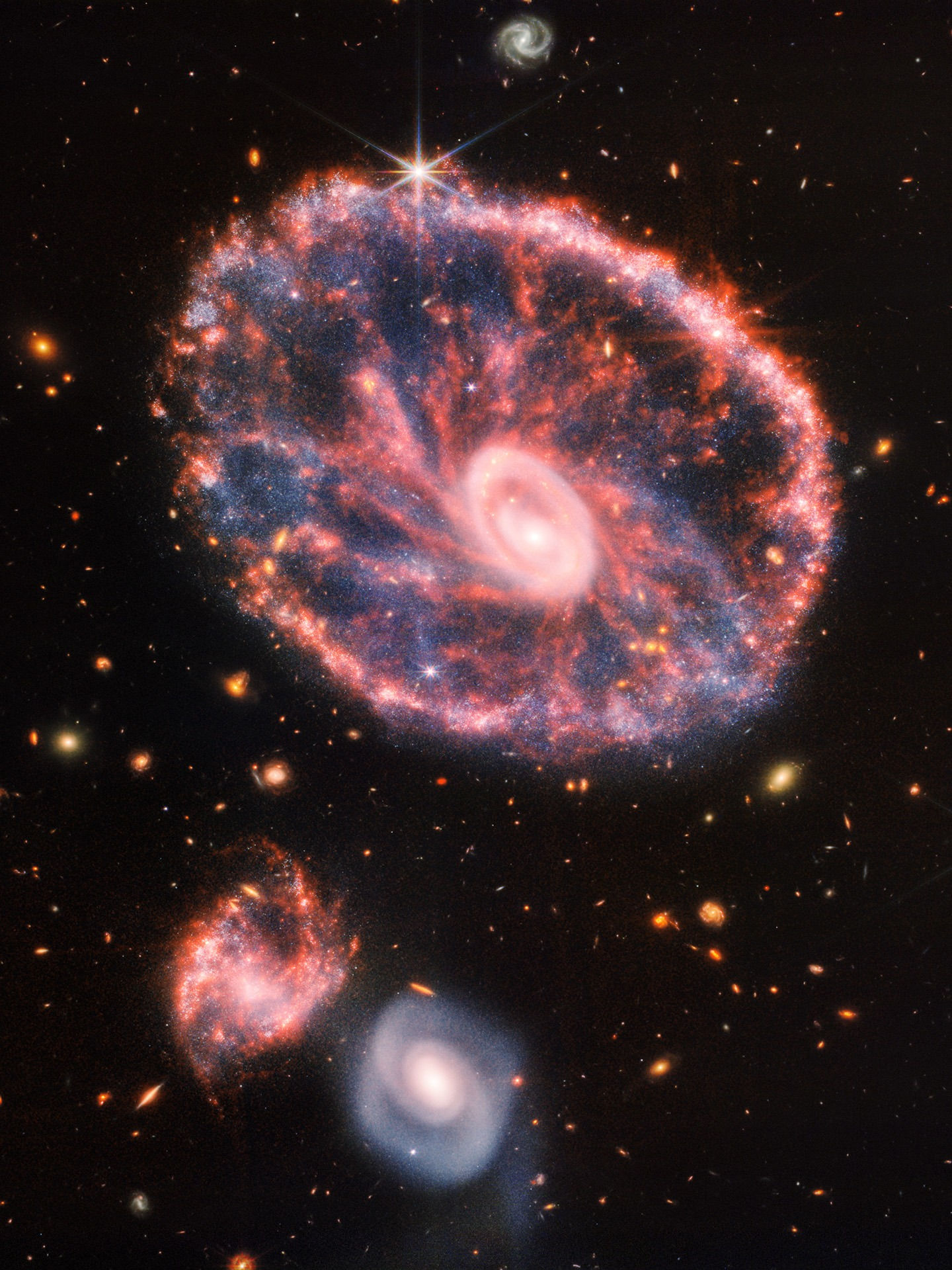

Innovations Transforming Space Technology Today

The realm of space exploration and development is evolving rapidly. New breakthroughs and technologies are reshaping how humanity approaches the cosmos. These innovations are not only expanding our understanding of the universe but also making space missions more efficient, cost-effective, and sustainable. This article explores some of the most exciting advancements that are transforming the future of space travel and research.
Breakthroughs in Propulsion Systems
One of the most critical areas of innovation in space technology is propulsion. Traditional chemical rockets have limitations in speed and fuel efficiency, which restricts the scope of missions. However, new propulsion methods are changing the game.
Ion Thrusters: These use electric fields to accelerate ions, providing a much higher fuel efficiency than conventional rockets. They are ideal for long-duration missions, such as those to Mars or beyond.
Nuclear Thermal Propulsion: This technology uses nuclear reactions to heat propellant, offering greater thrust and efficiency. It could significantly reduce travel time to distant planets.
Solar Sails: Utilizing the pressure of sunlight, solar sails provide a continuous, fuel-free propulsion method. This innovation is perfect for small probes and long-term missions.
These propulsion advancements enable spacecraft to travel farther and faster, opening new frontiers for exploration.

Innovative Space Technologies in Satellite Design
Satellites are the backbone of modern communication, navigation, and Earth observation. Recent innovations in satellite technology are making them more versatile and powerful.
Miniaturization: CubeSats and small satellites are revolutionizing access to space. These compact devices are cheaper to build and launch, allowing for more frequent and diverse missions.
Advanced Materials: New lightweight and durable materials improve satellite longevity and performance in harsh space environments.
Onboard AI: Artificial intelligence enables satellites to process data in real-time, make autonomous decisions, and optimize their operations without constant ground control.
These innovations enhance satellite capabilities, making them indispensable tools for science, business, and security.

The Role of Robotics and Automation
Robotics and automation are crucial in overcoming the challenges of space exploration. They reduce human risk and increase mission efficiency.
Autonomous Rovers: Rovers like NASA’s Perseverance use advanced sensors and AI to navigate and conduct experiments on other planets without direct human control.
Robotic Arms and Drones: These tools assist in satellite repair, construction of space habitats, and sample collection.
Automated Space Stations: Future space stations will rely heavily on automation for maintenance, resource management, and scientific research.
By integrating robotics, missions can achieve more complex objectives with fewer resources.
Sustainable Practices in Space Missions
Sustainability is becoming a priority in space exploration to minimize environmental impact and ensure long-term viability.
Reusable Rockets: Companies like SpaceX have pioneered reusable launch vehicles, drastically reducing the cost and waste associated with space travel.
In-Situ Resource Utilization (ISRU): This approach involves using materials found on other planets or moons to produce fuel, water, and building materials, reducing the need to transport everything from Earth.
Space Debris Management: Innovative technologies are being developed to track, capture, and remove space debris, protecting valuable assets in orbit.
These sustainable practices are essential for the future of space exploration and the protection of Earth's orbital environment.
Expanding Human Presence Beyond Earth
Human spaceflight is undergoing a renaissance with new technologies enabling longer and safer missions.
Advanced Life Support Systems: Innovations in recycling air, water, and waste support longer stays in space habitats.
3D Printing in Space: This technology allows astronauts to manufacture tools and parts on-demand, reducing dependency on Earth supplies.
Habitat Construction: New designs for space habitats focus on radiation protection, comfort, and adaptability for different environments like the Moon or Mars.
These developments bring us closer to establishing permanent human settlements beyond Earth.
Embracing the Future of Space Exploration
The future of space exploration is bright, driven by continuous innovation and collaboration. As these technologies mature, they will unlock new possibilities for science, industry, and humanity’s place in the cosmos. Staying informed and engaged with these advancements is essential for anyone interested in the exciting journey ahead.
For more detailed insights and updates on the latest in space technology, exploring trusted sources and expert analyses is highly recommended. The innovations discussed here represent just a glimpse of the transformative changes shaping our cosmic future.


Comments